8 Warning Signs You Need Furnace Repair Now
Your furnace needs repair when it shows clear warning signs like unusual noises, weak airflow, yellow pilot light, frequent cycling, rising energy bills, strange smells, uneven heating, or if it’s over 15 years old. These symptoms indicate your heating system requires professional attention before a complete breakdown occurs. Ignoring these warning signs can lead to more expensive repairs, dangerous conditions, or being left without heat during cold weather.
Table of Contents
Understanding Your Furnace and Why Repairs Matter
Your furnace works hard to keep your home warm during cold months. Like any machine with moving parts, it can develop problems over time. Knowing when your furnace needs repair can save you from bigger headaches later.
Furnace repair isn’t just about comfort. It’s about safety and saving money too. A broken furnace can leak carbon monoxide, a dangerous gas you can’t see or smell. It can also waste energy, making your bills go up.
Most furnace problems give warning signs before they completely break down. Learning these signs helps you know when to call for help.
| Warning Sign | What It Means | Risk Level |
|---|---|---|
| Strange noises | Mechanical problems or loose parts | Medium |
| Weak airflow | Blocked vents or fan problems | Medium |
| Yellow pilot light | Possible carbon monoxide issue | High |
| Frequent cycling | Thermostat or overheating issues | Medium |
| Rising energy bills | Efficiency problems | Low |
| Strange smells | Dust buildup or gas leak | Medium to High |
| Uneven heating | Airflow or system balance issues | Low |
| Old age (15+ years) | General wear and tear | Medium |
Let’s look at each warning sign in detail so you know exactly what to watch for.
Warning Sign #1: Strange Noises Coming From Your Furnace
Your furnace should run quietly with only gentle humming sounds. When you start hearing banging, scraping, or squealing noises, it’s time for furnace repair.
Different noises mean different problems:
- Banging or booming: This might be delayed ignition in the burners. Gas builds up before lighting, causing a small explosion.
- Scraping or grinding: Metal parts might be rubbing together. This could be a blower wheel problem.
- Whistling or squealing: These sounds often mean belt or bearing issues.
- Clicking: Some clicking during startup is normal, but constant clicking might show an electrical problem.
Don’t ignore these sounds. They usually get worse over time, and the damage can spread to other parts of your furnace.
Warning Sign #2: Weak or No Airflow From Vents
When you put your hand near a vent and feel little or no air, your furnace needs attention. Weak airflow means your home won’t heat properly, and your furnace works harder than it should.
Poor airflow can happen because of:
- Dirty air filters blocking air movement
- Fan motor problems
- Blocked air ducts
- Broken blower components
Check your air filter first. If it’s clogged with dust, replace it. If that doesn’t help, you likely need professional furnace repair to check the blower and ductwork.
How to Check Your Airflow
Feel the air coming from different vents around your home. If some rooms have good airflow while others don’t, you might have duct problems. If all vents have weak airflow, the issue is likely with the furnace itself.
Remember that weak airflow makes your furnace work harder and can lead to overheating and early breakdown.
Warning Sign #3: Yellow Pilot Light Instead of Blue
A healthy pilot light should burn blue. If you see a yellow or orange flame, this is a serious warning sign that needs immediate furnace repair.
A yellow flame suggests incomplete combustion, which can produce carbon monoxide. This colorless, odorless gas is dangerous and can be deadly.
Other signs of carbon monoxide problems include:
- Streaks of soot around the furnace
- Rust on flue pipes
- Moisture on windows or walls
- Family members experiencing headaches, dizziness, or nausea
If you see a yellow pilot light, open windows, leave your home, and call for emergency furnace repair right away. This is not a problem you should try to fix yourself.
Warning Sign #4: Furnace Cycles On and Off Too Frequently
Your furnace should run in fairly regular cycles. If it turns on and off more than 3-8 times per hour, something is wrong.
This problem, called short cycling, puts extra strain on your furnace parts and wastes energy. It’s like constantly starting and stopping your car—it causes more wear and tear than steady driving.
Short cycling can happen because of:
- A dirty flame sensor that shuts off the gas supply
- An oversized furnace that heats too quickly
- Thermostat problems or poor placement
- Overheating due to restricted airflow
Professional furnace repair can diagnose the exact cause. Sometimes a simple cleaning of the flame sensor solves the problem. Other times, you might need thermostat adjustments or other repairs.
Warning Sign #5: Rising Energy Bills Without Increased Use
Have your heating bills gone up even though you haven’t changed how you use your furnace? This often means your furnace is losing efficiency and needs repair.
When furnaces work harder to produce the same heat, they use more fuel. This happens gradually, so many homeowners don’t notice until bills are much higher.
Several furnace problems can cause higher bills:
- Dirty burners that don’t produce efficient heat
- Leaky ductwork losing heated air
- Poor lubrication causing friction in moving parts
- Failing heat exchangers not transferring heat properly
Regular furnace maintenance can prevent many of these issues. If your bills are already climbing, furnace repair can often restore efficiency and lower your costs.
Comparing Energy Usage
Look at your bills from the same month last year. If they’re more than 10% higher (accounting for fuel price changes), your furnace likely needs attention.
Warning Sign #6: Strange Smells When Furnace Runs
Different smells from your furnace can indicate different problems, but none should be ignored.
- Burning dust smell: Normal when first turning on your furnace for the season, but should go away quickly.
- Electrical burning smell: Could be overheating motor or wiring problems.
- Rotten egg smell: Possible gas leak. Leave immediately and call your gas company.
- Musty odor: Might indicate mold in your ductwork or filter.
Any persistent smell is a sign you need furnace repair. Don’t try to mask odors with air fresheners—they won’t fix the underlying problem.
If you smell gas (rotten egg odor), this is an emergency. Turn off the furnace, don’t touch electrical switches, leave your home, and call for help from outside.
Warning Sign #7: Uneven Heating Throughout Your Home
Are some rooms toasty while others stay chilly? Uneven heating often signals furnace problems that need repair.
Your furnace should provide consistent heat throughout your home. When it can’t, several issues might be to blame:
- Ductwork problems like leaks or poor design
- Failing blower motor not pushing air to distant rooms
- Improper furnace sizing for your home
- Thermostat location issues
Professional furnace repair can include duct inspection, blower testing, and system balancing to restore even heating.
Checking for Temperature Differences
Use a simple thermometer to check temperatures in different rooms. Differences of more than 3-5 degrees suggest a problem that needs attention.
Remember that some temperature variation is normal, especially in older homes or rooms far from the furnace. But extreme differences usually indicate a furnace or ductwork issue.
Warning Sign #8: Your Furnace Is Getting Old
Even with perfect maintenance, furnaces don’t last forever. If your furnace is over 15 years old, it’s entering the danger zone where breakdowns become more common.
Older furnaces show these signs of age:
- More frequent repairs needed
- Parts becoming harder to find
- Lower efficiency compared to newer models
- Rust or cracks in the heat exchanger
Sometimes furnace repair can extend the life of an older system. But at some point, replacement becomes more cost-effective than continuing repairs.
A professional can help you decide if repair or replacement makes more sense based on your furnace’s age, condition, and the cost of needed repairs.
When to Call for Emergency Furnace Repair
Some furnace problems can wait a few days, but others need immediate attention. Call for emergency furnace repair if:
- You smell gas (rotten egg odor)
- Your carbon monoxide detector is alarming
- Your furnace has a yellow pilot light
- You hear loud banging or explosion sounds
- Your furnace won’t turn on during extremely cold weather
These situations can be dangerous or lead to frozen pipes and other home damage. Don’t wait to call for help.
For less urgent issues like strange noises or reduced efficiency, you can usually schedule a regular appointment within a few days.
DIY Checks Before Calling for Furnace Repair
Before calling for professional help, try these simple checks:
- Check your thermostat: Make sure it’s set to “heat” and the temperature is set correctly.
- Replace the air filter: A clogged filter causes many furnace problems.
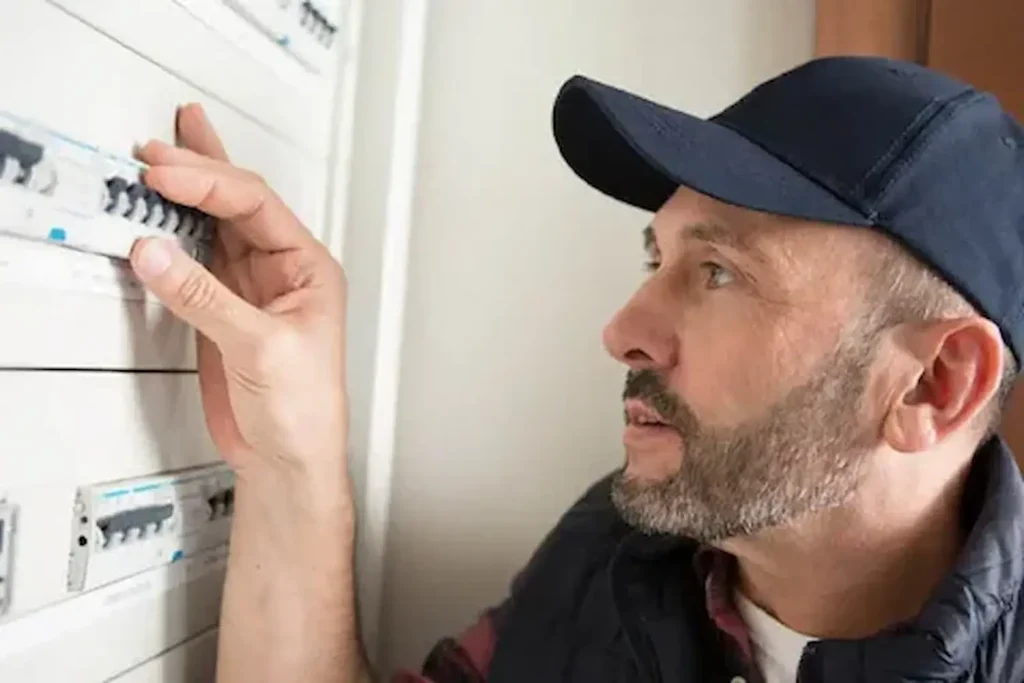
- Check circuit breakers: Make sure the furnace hasn’t tripped a breaker.
- Check the gas valve: Ensure it’s in the “on” position.
- Look at the pilot light: If it’s out, follow manufacturer instructions to relight it (if you feel comfortable doing so).
These simple steps might solve minor issues. If they don’t help, it’s time to call for professional furnace repair.
Frequently Asked Questions About Furnace Repair
How much does furnace repair typically cost?
Furnace repair costs vary widely depending on the problem. Simple fixes like replacing a thermocouple might cost $150-300, while major repairs like replacing a heat exchanger can cost $1,500-3,000. The average furnace repair costs between $300-500.
How often should I have my furnace serviced?
Most experts recommend annual furnace maintenance, ideally before the heating season starts. Regular service can prevent many of the warning signs mentioned in this article.
Can I perform furnace repairs myself?
Simple tasks like changing filters and basic cleaning are safe for homeowners. However, most furnace repairs involve gas, electricity, and complex components that require professional training. DIY repairs can be dangerous and may void warranties.
How long should a furnace last?
With proper maintenance, most furnaces last 15-20 years. High-efficiency models sometimes have shorter lifespans of 10-15 years because they have more components that can fail.
Is it better to repair or replace an old furnace?
Generally, if repairs would cost more than 50% of a new furnace’s price, or if your furnace is over 15 years old, replacement is often more economical. A professional can help you make this decision.
Keeping Your Home Warm and Safe
Recognizing the warning signs that you need furnace repair helps you catch problems early. Early repairs are usually simpler and less expensive than emergency fixes after a complete breakdown.
Pay attention to how your furnace sounds, smells, and performs. These clues tell you when something’s wrong before it becomes a major issue.
Regular maintenance can prevent many furnace problems. Having your system checked yearly by a professional is the best way to avoid unexpected repairs.
If you’ve noticed any of the warning signs we’ve discussed, don’t wait until your furnace stops working completely. Contact Shipton’s Heating & Cooling today to schedule your furnace repair appointment. Our experienced technicians will keep your home warm, safe, and comfortable all winter long.