
Table of Contents
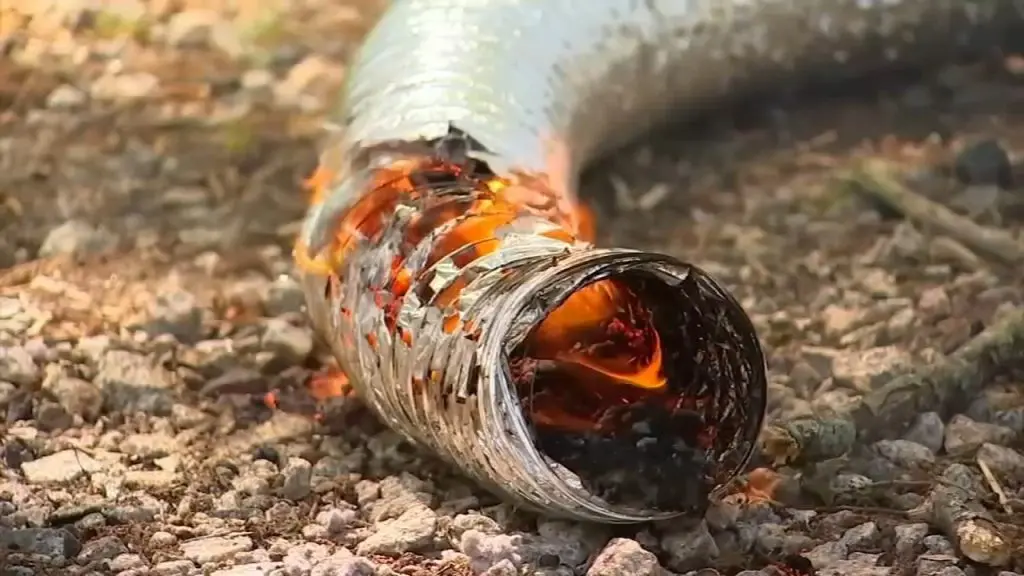
Dryer vent fire hazards are a serious concern for homeowners. When lint builds up in your dryer vents, it creates a dangerous fire risk. In fact, firefighters respond to about 14,000 home fires caused by clothes dryers each year. These fires happen when the hot air from your dryer can’t escape properly because of clogged vents. The good news is that most dryer fires are preventable with regular maintenance and awareness.
Why Dryer Vents Become Fire Hazards
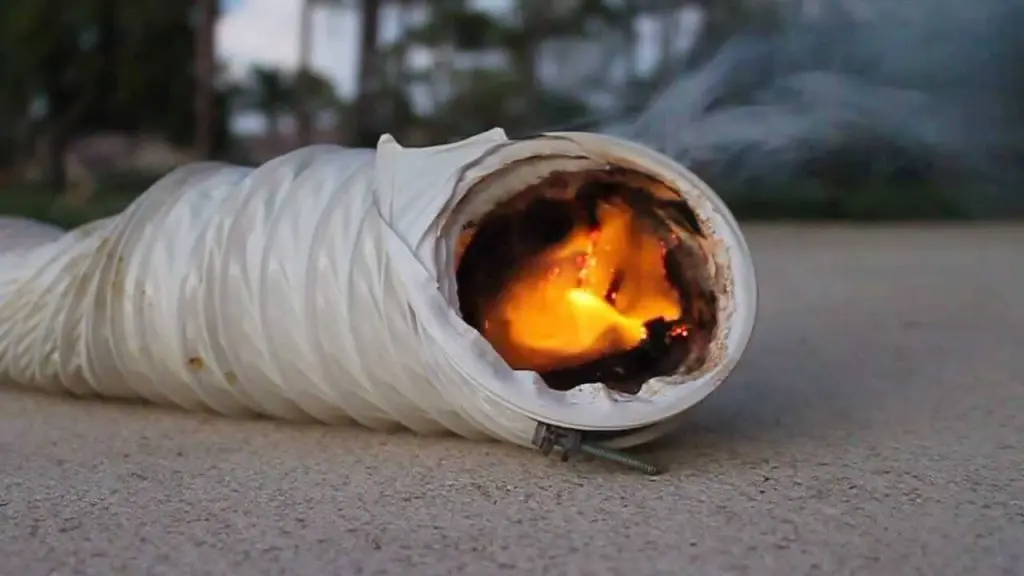
Dryer vents become fire hazards mainly because of lint buildup. Every time you dry clothes, tiny fabric fibers come off. Your dryer’s lint trap catches some of these fibers, but many still escape into the vent pipe. Over time, this lint sticks to the walls of the vent and builds up.
Lint is extremely flammable. In fact, some people even use dryer lint as a fire starter when camping! When lint collects in your dryer vent, it creates a perfect fuel source for a fire. All it needs is a spark or enough heat to ignite.
The Drying Process and Fire Risk
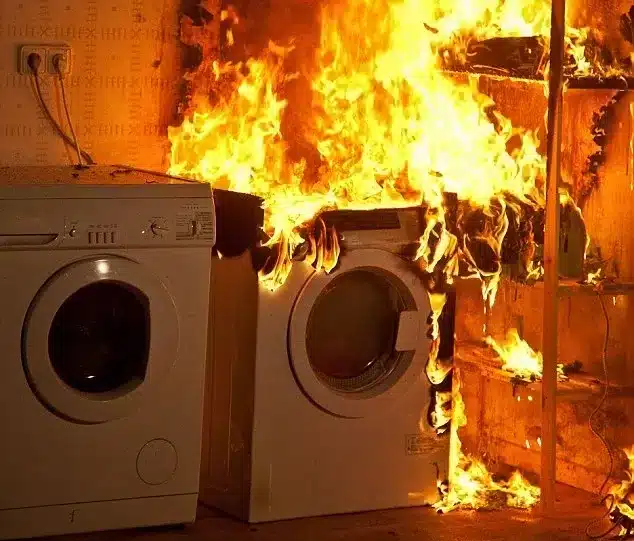
Your clothes dryer works by heating air and blowing it through your wet clothes. This hot air then needs to escape through the vent. When the vent is clogged, three dangerous things happen:
- The hot air gets trapped and builds up heat
- The dryer has to work harder, creating even more heat
- The motor can overheat, potentially creating sparks
This combination of excessive heat, flammable lint, and potential sparks creates the perfect conditions for a fire to start. The restricted airflow means the dryer can’t cool properly, making the situation even more dangerous.
Common Vent Problems
Besides lint buildup, other vent problems can increase fire risk:
- Crushed or bent vent pipes that restrict airflow
- Vents that are too long or have too many turns
- Plastic or foil accordion-style ducts that can sag and collect lint
- Outdoor vent covers blocked by snow, leaves, or animal nests
- Improper installation that doesn’t follow manufacturer guidelines
These issues make it harder for air to flow through the system, increasing the chance of lint buildup and overheating.
Warning Signs of a Clogged Dryer Vent
Knowing the warning signs of a clogged dryer vent can help prevent fires. Your dryer will usually give you clues when something isn’t right. Pay attention to these signals to stay safe.
Performance Issues
The most common signs of a clogged vent relate to how well your dryer works:
- Clothes take much longer than normal to dry
- Clothes feel very hot at the end of the cycle but aren’t completely dry
- The dryer stops mid-cycle
- The outside of the dryer feels hotter than usual
If you notice you need to run multiple cycles to dry a normal load of laundry, this is a strong sign your vent needs cleaning.
Physical Signs
You might also notice these physical signs of a problem:
- Little or no air coming out of the exterior vent when the dryer is running
- Excessive lint around the lint trap area
- A burning smell when the dryer is operating
- The laundry room feels more humid or hotter than usual
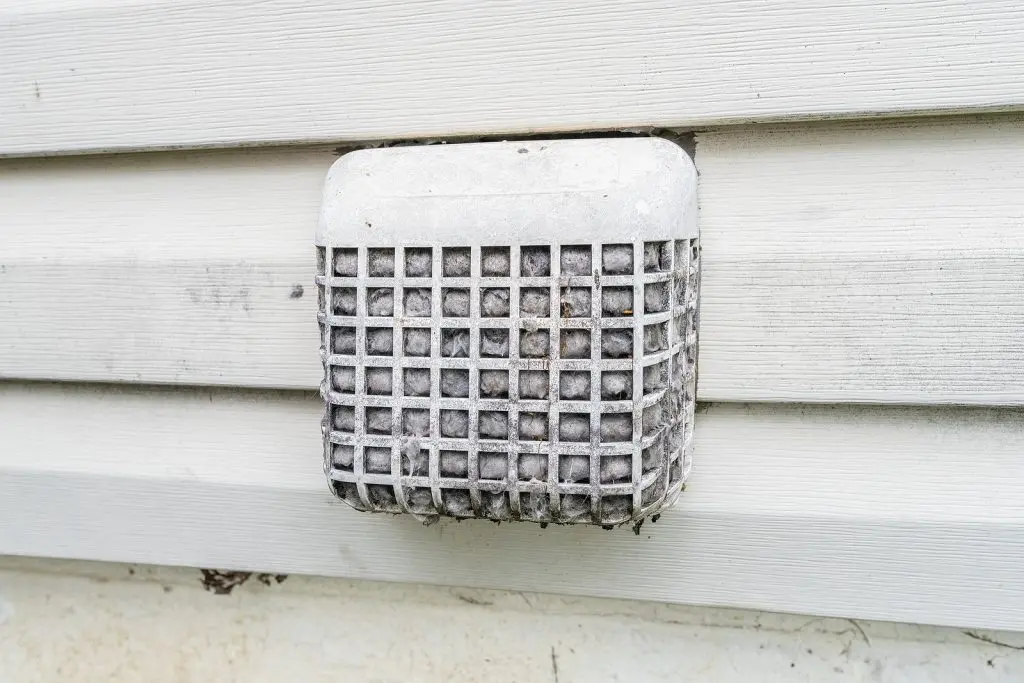
- Visible lint accumulation around the outside vent opening
If you see lint blowing out from the connection between the dryer and the wall, that’s another sign your vent system isn’t working properly.
Unusual Sounds or Smells
Your senses can alert you to potential dryer vent problems:
- A burning smell is an immediate warning sign – turn off the dryer right away
- Musty odors in clothes after drying can indicate mold growth from poor ventilation
- Unusual sounds like scraping or thumping might mean there’s a blockage
Never ignore these warning signs. They’re your dryer’s way of telling you something is wrong before a fire starts.
How to Clean Your Dryer Vent
Cleaning your dryer vent regularly is one of the best ways to prevent fires. You should clean your dryer vent at least once a year, or more often if you notice any warning signs. Here’s how to do it safely.
Tools You’ll Need
Before you start, gather these supplies:
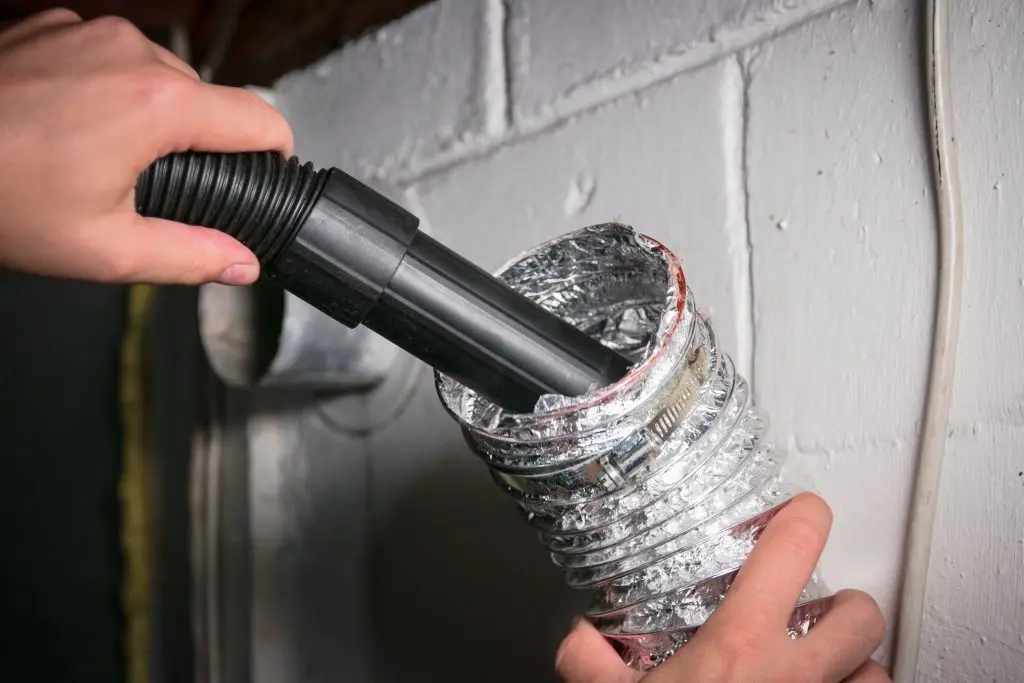
- Vacuum with a long hose attachment
- Dryer vent brush kit (available at hardware stores)
- Screwdriver
- Duct tape
- Gloves
- Mask (to avoid breathing in lint)
Having the right tools makes the job easier and ensures you can reach deep into the vent system.
Step-by-Step Cleaning Process
Follow these steps to clean your dryer vent:
- Unplug your dryer or turn off the gas if you have a gas dryer
- Pull the dryer away from the wall carefully
- Disconnect the vent pipe from the back of the dryer
- Vacuum around the dryer vent opening and inside the dryer’s vent connector
- Insert the vent brush into the wall vent and push it as far as possible, rotating as you go
- Go outside to the exterior vent opening and remove any visible lint or obstructions
- Clean the exterior vent cover and make sure it opens and closes properly
- Reconnect everything, making sure all connections are tight and sealed with duct tape if needed
- Push the dryer back into place, being careful not to crush the vent pipe
After cleaning, run your dryer for a few minutes on the air-only setting to blow out any remaining lint.
Cleaning the Lint Trap
While cleaning the vent is important, don’t forget about the lint trap:
- Remove and clean the lint trap before every load
- Wash the lint screen with soap and water every few months to remove invisible fabric softener buildup
- Vacuum inside the lint trap housing area regularly
A clean lint trap catches more lint before it enters your vent system, reducing fire risk.
Prevention Tips for Dryer Safety
Preventing dryer vent fires involves more than just cleaning. These safety practices will help protect your home and family from dryer fire hazards.
Safe Dryer Use Habits
Develop these habits for safer dryer use:
- Never leave the dryer running when you’re not home or when you’re sleeping
- Clean the lint filter before every load of laundry
- Don’t overload the dryer
- Avoid drying items with foam, rubber, or plastic
- Never dry items stained with cooking oil, gasoline, or other flammable substances
Following these simple rules significantly reduces your fire risk.
Proper Installation
How your dryer is installed matters for safety:
- Use rigid or semi-rigid metal vent pipes instead of plastic or foil
- Keep vent pipes as short and straight as possible
- Follow the manufacturer’s instructions for proper installation
- Ensure the outdoor vent has a cover that opens when the dryer is on and closes when it’s off
- Make sure the dryer is properly grounded
If you’re not sure about your dryer’s installation, consider having a professional check it.
Regular Maintenance Schedule
Create a maintenance schedule to stay on top of dryer safety:
- Clean the full vent system at least once a year
- Check the outside vent opening monthly to ensure it’s not blocked
- Inspect behind the dryer regularly for lint accumulation
- Replace plastic or foil vent pipes with metal ones
- Consider setting calendar reminders for these maintenance tasks
Regular maintenance prevents lint buildup before it becomes dangerous.
When to Call a Professional
While many homeowners can clean their dryer vents themselves, sometimes it’s best to call a professional. Here’s when to seek expert help.
Signs You Need Professional Help
Consider calling a professional if:
- Your vent system is very long or has multiple bends
- You can’t reach the entire vent with your cleaning tools
- You’ve cleaned the vent but still notice poor dryer performance
- There’s a history of lint fires in your area
- You haven’t cleaned the vent in several years
- You’re physically unable to move the dryer or access the vent
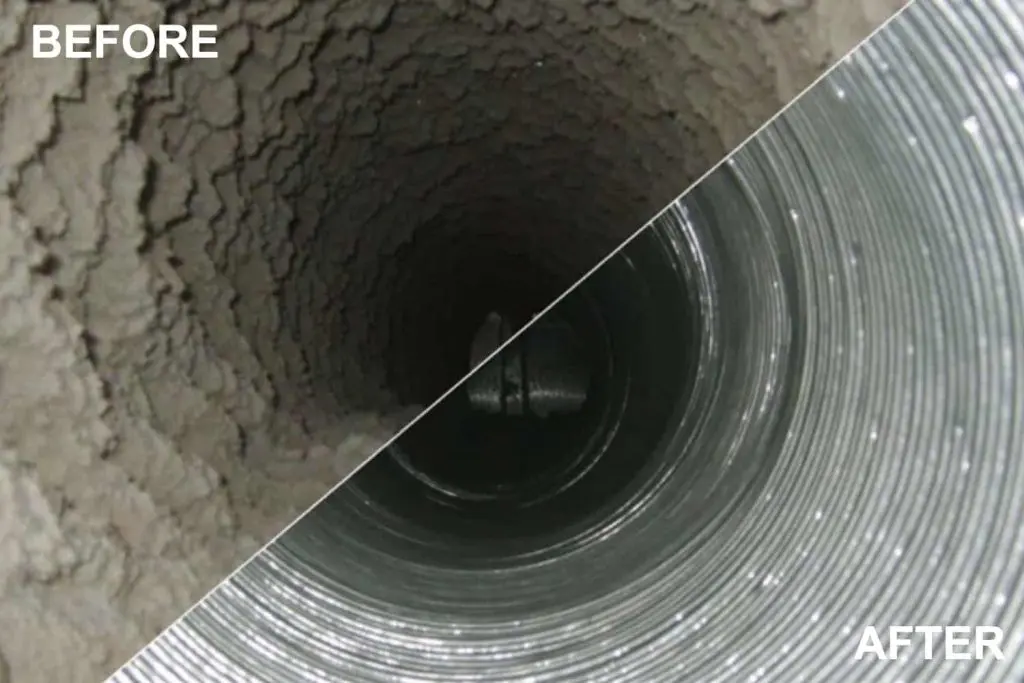
Professional vent cleaners have specialized equipment that can clean even the most complex vent systems.
What Professional Cleaning Includes
When you hire a professional, they typically:
- Inspect the entire vent system from dryer to outside
- Use professional-grade vacuum systems and rotary brushes
- Clean areas you might not be able to reach
- Check for proper airflow after cleaning
- Identify any potential safety issues with your setup
- Provide recommendations for improving your dryer’s efficiency
Professional cleaning usually costs between $100-$200, which is a small price for peace of mind and fire prevention.
Finding a Qualified Service Provider
To find a good dryer vent cleaning service:
- Look for companies that specialize in dryer vent cleaning, not just general duct cleaning
- Check reviews and ask for recommendations from friends and neighbors
- Verify they have proper insurance
- Ask about their cleaning process and equipment
- Make sure they’ll clean the entire vent system, not just parts of it
A qualified professional will do a thorough job and can spot potential problems you might miss.
Dryer Vent Safety Equipment
Beyond regular cleaning, certain safety equipment can provide extra protection against dryer vent fire hazards.
Vent Material Options
The type of vent material you use matters:
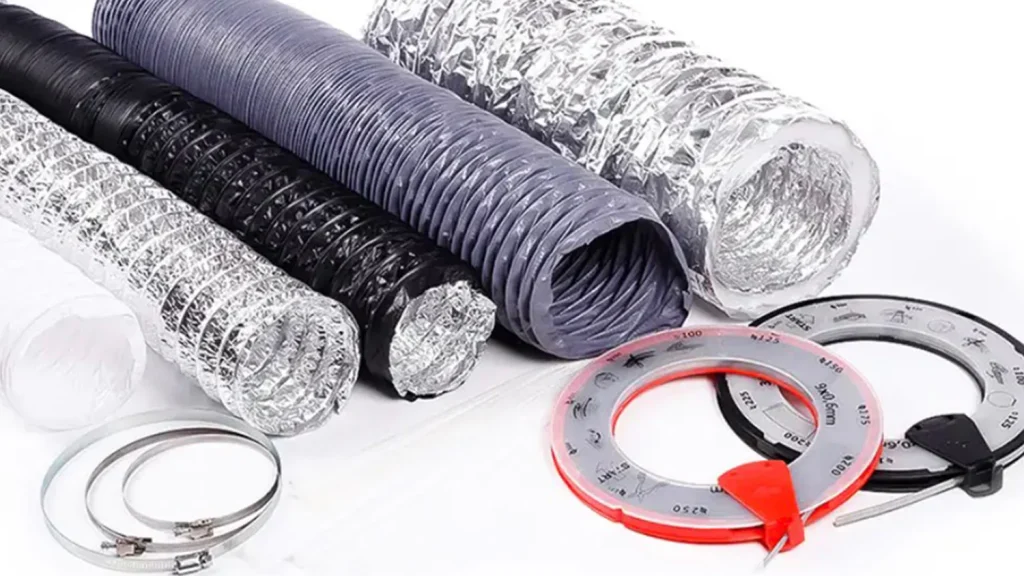
- Rigid metal ducts – The safest option; smooth walls prevent lint buildup
- Semi-rigid metal ducts – Better than plastic but not as good as rigid metal
- Plastic or vinyl ducts – Avoid these; they can trap lint and are flammable
- Foil accordion ducts – Not recommended; they collect lint in the ridges
If you currently have plastic or foil ducts, replacing them with metal ducts is a smart safety upgrade.
Safety Devices
Consider these safety devices for extra protection:
- Dryer vent alarms – Alert you when airflow is restricted
- Heat sensors – Detect excessive heat in the vent system
- Secondary lint traps – Catch lint that escapes the primary trap
- Automatic shut-off devices – Turn off the dryer if overheating is detected
- Vent covers with built-in screens – Keep animals out while allowing airflow
These devices provide an extra layer of protection beyond regular cleaning and maintenance.
Recommended Brands and Products
Some reliable dryer safety products include:
- LintAlert – A pressure sensor that monitors airflow
- Deflecto Dryer Vent Closure – Prevents animals from entering while allowing proper airflow
- Dundas Jafine ProFlex – High-quality metal transition ducts
- Gardus LintEater – Professional-grade rotary cleaning system for homeowners
- DryerBox – Recessed dryer vent connection that prevents crushing of the vent hose
Investing in quality vent materials and safety devices is much less expensive than dealing with fire damage.
FAQs About Dryer Vent Fire Hazards
How often should I clean my dryer vent?
You should clean your dryer vent at least once a year. However, if you do many loads of laundry, have a large family, dry a lot of bulky items, or notice any warning signs of a clogged vent, clean it more frequently. Some households need cleaning every 3-6 months.
Can I clean the dryer vent myself or do I need a professional?
Many homeowners can clean their own dryer vents if the vent run is short and straight. You’ll need a dryer vent cleaning kit, which includes brushes and rods. However, if your vent is long, has many bends, or runs through difficult-to-access areas, hiring a professional is safer and more effective.
How long does a professional dryer vent cleaning take?
A professional dryer vent cleaning typically takes between 30 minutes to 1 hour. The exact time depends on the length and complexity of your vent system, how dirty it is, and whether there are any complications like bird nests or severe blockages.
What are the most common causes of dryer fires?
The most common causes of dryer fires include:
- Failure to clean the lint trap and vent system
- Improper venting materials (plastic or foil instead of metal)
- Crushed or restricted vent pipes
- Overloading the dryer
- Drying items contaminated with flammable substances
- Electrical or mechanical failures in older dryers
Can dryer sheets increase fire risk?
Yes, dryer sheets can increase fire risk. They leave a waxy residue on the lint screen that can reduce airflow and cause lint buildup in the vent. If you use dryer sheets, wash your lint screen with warm soapy water and a soft brush every month to remove this invisible buildup.
What should I do if I smell burning from my dryer?
If you smell burning from your dryer:
- Turn off the dryer immediately
- Unplug it if you can do so safely
- If you see flames, call 911 and use a fire extinguisher if available
- If there are no flames, let the dryer cool down completely
- Check and clean the lint trap and vent
- Have the dryer inspected by a professional before using it again
Never ignore a burning smell – it’s often the last warning before a fire starts.
Protect Your Home from Dryer Vent Fire Hazards Today
Dryer vent fire hazards are a serious concern, but they’re also highly preventable. By understanding the risks, recognizing warning signs, and following proper cleaning and maintenance procedures, you can keep your home and family safe.
Remember that lint buildup happens gradually, so even if your dryer seems fine now, regular maintenance is essential. Make dryer vent cleaning part of your home safety routine, just like changing smoke detector batteries.
Whether you choose to clean your vents yourself or hire a professional, the important thing is to take action. A small investment of time and money in dryer vent maintenance can prevent a devastating house fire.
Don’t wait until you notice problems with your dryer. Schedule a professional dryer vent cleaning today to ensure your home is protected from this common fire hazard. Contact Shipton’s Heating and Cooling! Your family’s safety is worth it!