
Choosing between gas and wood-burning fireplaces is a big decision. Both offer warmth and ambiance, but they have distinct characteristics. This in-depth comparison of gas vs wood burning fireplaces helps you decide the best fit for your home, lifestyle, and budget.
We’ll consider factors like cost, convenience, environmental impact, and more. By the end of this post, you’ll feel prepared to pick the perfect fireplace, since we will solve the gas vs wood burning fireplaces dilemma.
Gas vs Wood Burning Fireplaces: Functionality and Feel
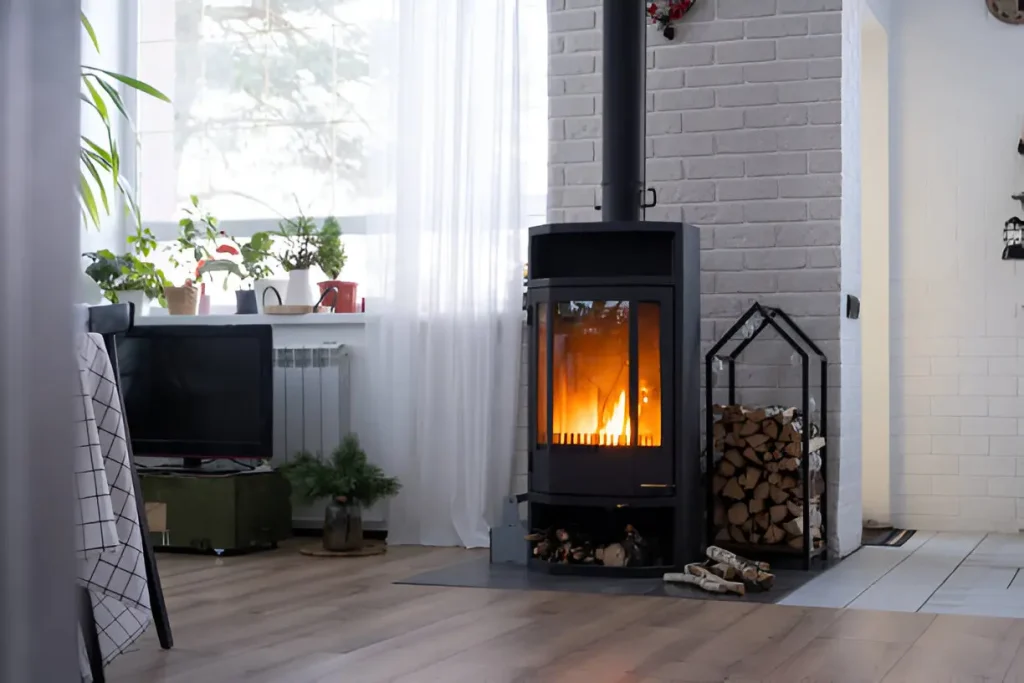
A wood-burning fireplace creates a traditional, cozy atmosphere. The crackling sound of burning wood and the smoky scent contribute to the sensory experience. However, this classic choice requires effort.
You’ll have to buy, chop, and store wood, plus regularly clean out ashes. You will also need to practice fireplace safety. Gas fireplaces offer modern convenience with instant flames.
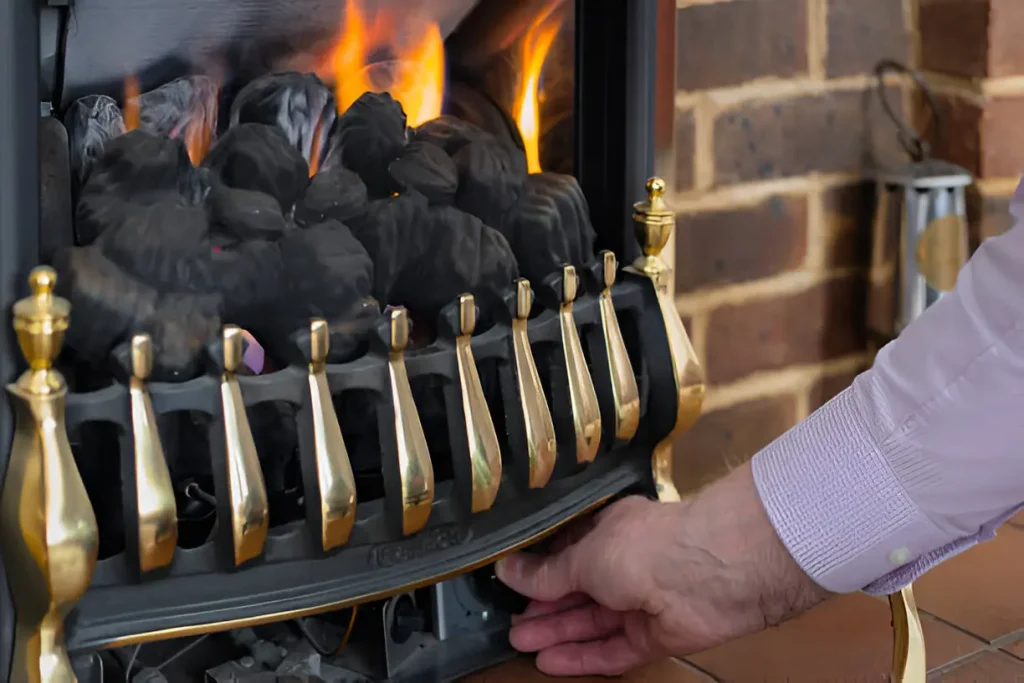
They require minimal cleaning and offer customizable options, from realistic-looking gas logs to decorative rocks or crystals. This makes choosing the right style fireplace for you simple.
Convenience
Gas fireplaces win for convenience. No more stacking wood or kindling. Instead, press a button for instant ambiance.
Gas fireplaces eliminate wood storage and ash cleanup. Annual professional inspections and occasional glass cleaning are enough for this low-maintenance option.
Sensory Experience
Wood fireplaces have a unique charm. The crackling sound, dancing flames, smoky scent, and intense warmth make the open hearth iconic. Gas fireplaces produce real flames, just not with real wood.
You experience warmth similar to wood burning. Modern designs, such as a fireplace insert, replicate the classic hearth look.
Gas vs Wood Burning Fireplaces: Cost and Efficiency
Installation, maintenance, and recurring expenses need careful consideration. The total fireplace cost can vary depending on the unit you choose.
Installation Costs
Wood fireplaces typically cost less to install than gas fireplaces. Gas units cost between $2,300-$4,000, versus about $1,900-$3,300 for a wood-burning option. Consider if there are professionals in your area who offer installation.
Conversion of an existing fireplace is possible using fireplace inserts. The installation cost for these can vary greatly.
Operation Costs
If you have access to free firewood, operating a wood-burning fireplace is inexpensive. Buying wood increases operating costs, ranging from $50-$100 per cord.
Gas fireplaces use 10,000-70,000 BTUs per hour. This impacts monthly energy bills, adding around $0.48 per hour on average for a 40,000 BTU natural gas fireplace. The gas cost is a regular expense that needs planning.
Efficiency
Traditional wood-burning fireplaces lose about 90% of their heat up the chimney. They don’t require electricity, but this heat loss makes them inefficient. Wood fireplace efficiency can be greatly improved with proper maintenance.
More efficient gas fireplace models achieve over 70% efficiency with designs like the two-pipe vent system. Depending on which fireplace you’ve chosen, you could potentially lower your energy bills.
Gas vs Wood Burning Fireplaces: Environmental and Safety Considerations
Environmental Impact
Wood fireplaces produce particulate emissions and CO2, impacting air quality. While natural gas fireplaces also produce emissions, they contribute fewer pollutants (99% less).
However, open wood fireplaces lose heat through the flue or a poorly closed damper. Gas fireplaces still contribute to CO2 and methane, greenhouse gasses.
Think about your fireplace’s environmental impact. Wood-burning fireplaces produce more pollutants compared to gas fireplaces.
Safety
Regular maintenance and cleaning are key safety tips for wood-burning fireplaces. This reduces chimney fire risks from residue. Gas fireplaces have other risks, like fire from unvented by-products.
Both require monitoring during use. CO monitors and gas-leak detectors are crucial for gas fireplaces. All units should be installed by certified professionals.
Conclusion
The best choice between a gas vs wood fireplace depends on your preferences, resources, lifestyle, and indoor air quality concerns.
We’ve reviewed crucial points to help you make the right fireplace decision. Now you’re equipped to enjoy cozy comfort. Determine which style of fireplace is right for you.
Contact us today for more information or to schedule a free consultation.