

Table of Contents
Heat Pump vs AC: Which System Is Best For Your Home?
A heat pump and an air conditioner serve similar purposes but work differently. The main difference is that a heat pump can both cool and heat your home, while an AC system only cools. Heat pumps move heat from one place to another, cooling your home in summer by removing indoor heat and warming it in winter by pulling heat from outside. Air conditioners only remove heat from inside your home and require a separate heating system for winter. Heat pumps are typically more energy-efficient and environmentally friendly, but may struggle in extremely cold climates. Your choice depends on your local climate, budget, and specific home needs.
The Basics: How Heat Pumps and AC Systems Work
Before deciding between a heat pump and an AC system, it’s important to understand how each one works. This knowledge will help you make a smarter choice for your home.
How Air Conditioners Work
An air conditioner works by removing heat from inside your home and releasing it outside. It doesn’t create cool air – it just takes away the hot air. Think of it like a one-way street for heat.
The AC system uses a special liquid called refrigerant that changes from gas to liquid and back again. This refrigerant absorbs heat from your indoor air and carries it outside. Your AC has several main parts:
- The evaporator coil inside your home that absorbs heat
- The compressor that pressurizes the refrigerant
- The condenser coil outside that releases heat
- A fan that blows air across the coils
Air conditioners only cool your home. In winter, you need a separate heating system like a furnace to keep warm.
How Heat Pumps Work
A heat pump is like an air conditioner that can work in reverse. In summer, it works just like an AC, removing heat from your home. But in winter, it does something special: it finds heat in the outside air (yes, even when it’s cold) and brings that heat inside.
The magic happens because a heat pump can reverse the flow of refrigerant. This means it can change from cooling to heating with just the flip of a switch. It’s like having an AC and a heater in one system.
Heat pumps come in different types:
- Air-source heat pumps – pull heat from the outside air
- Ground-source heat pumps – pull heat from the ground
- Water-source heat pumps – pull heat from a water source
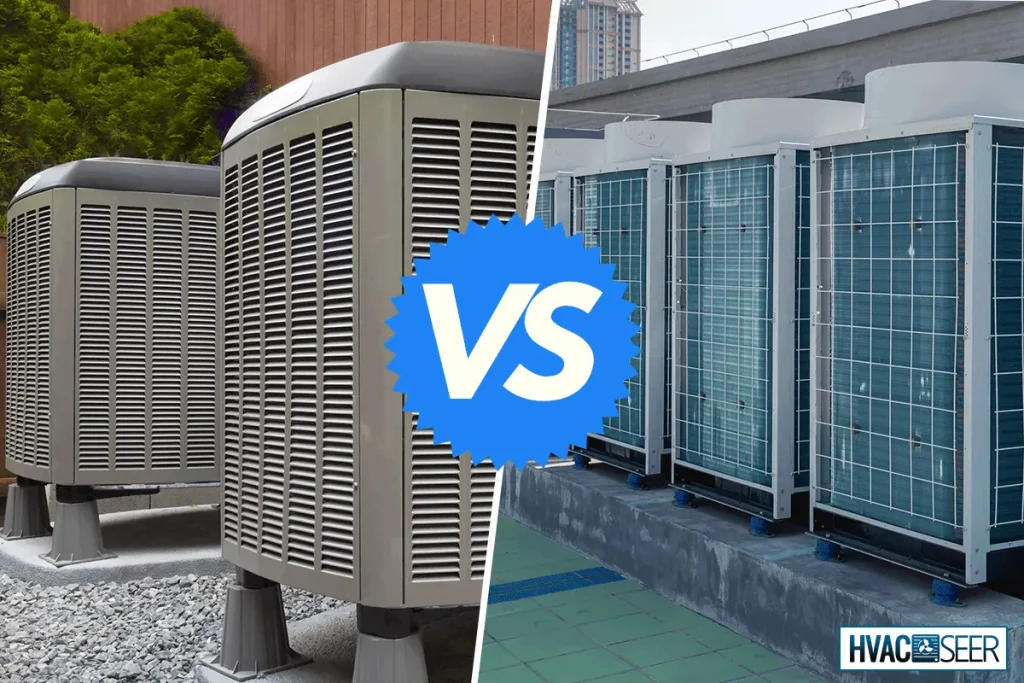
The most common type is the air-source heat pump, which looks a lot like a regular AC unit from the outside.
Key Differences Between Heat Pumps and AC Units
Now that we understand how each system works, let’s look at what makes them different from each other. These differences will help you decide which is better for your home.
Functionality Differences
The biggest difference is that a heat pump can both heat and cool your home, while an AC can only cool. This means:
- With a heat pump, you get two systems in one
- With an AC, you need a separate heating system like a furnace
Heat pumps move heat rather than generate it. This makes them very efficient in moderate climates. Air conditioners only move heat in one direction – from inside to outside.
Component Differences
While heat pumps and AC units look similar from the outside, they have some important differences inside:
- Heat pumps have a reversing valve that changes the direction of refrigerant flow
- Heat pumps often have enhanced compressors that work efficiently in both heating and cooling modes
- Heat pumps include defrost controls to prevent ice buildup in winter
These extra components allow heat pumps to work year-round, while AC units are designed for summer use only.
Operational Differences
When it comes to day-to-day use, you’ll notice these differences:
- Heat pumps provide more consistent temperatures throughout your home
- AC systems often cool more quickly but may create more temperature swings
- Heat pumps run more often but at lower power, while ACs cycle on and off
Many people find that heat pumps provide more comfortable heating than furnaces because they distribute warm air more evenly.
Energy Efficiency and Cost Comparison
Money matters when choosing between a heat pump and an AC. Let’s look at both the upfront costs and the long-term energy savings.
Initial Purchase and Installation Costs
Heat pumps typically cost more upfront than air conditioners. Here’s a general price comparison:
- A new heat pump system: $4,000 to $8,000 installed
- A new AC system: $3,000 to $7,000 installed
However, remember that with an AC, you also need a heating system. If you’re installing both a new AC and a new furnace, the total cost is often higher than just installing a heat pump.
Energy Efficiency Ratings
Both systems have efficiency ratings that tell you how well they use energy:
- Air conditioners use SEER (Seasonal Energy Efficiency Ratio)
- Heat pumps use SEER for cooling and HSPF (Heating Seasonal Performance Factor) for heating
Higher numbers mean better efficiency. Modern heat pumps and ACs should have a SEER of at least 14, with high-efficiency models reaching 20 or higher. For heat pumps, look for an HSPF of at least 8.
Long-term Operating Costs
Heat pumps usually cost less to run than AC plus furnace combinations, especially if your alternative heating source is electric resistance heat or oil. In moderate climates, a heat pump can save 30-40% on heating costs compared to electric resistance heating.
However, in very cold climates, heat pump efficiency drops. Below about 30°F, heat pumps work harder and use more electricity. Some modern heat pumps work well even in cold climates, but they cost more upfront.
Environmental Impact
Heat pumps generally have a smaller carbon footprint than AC systems with separate furnaces. This is because:
- They use electricity more efficiently
- They don’t burn fossil fuels directly (unlike gas furnaces)
- Newer models use refrigerants with lower environmental impact
If you’re concerned about your home’s environmental impact, a heat pump is usually the greener choice.
Climate Considerations: Which Works Best Where?
Your local climate plays a big role in deciding between a heat pump and an AC. Different systems shine in different weather conditions.
Heat Pumps in Different Climates
Heat pumps work best in moderate climates without extreme temperatures. They’re ideal for:
- Southern and coastal regions with mild winters
- Areas where temperatures rarely drop below freezing
- Places with high electricity costs but low gas costs
Traditional heat pumps become less efficient when outdoor temperatures fall below freezing. However, newer cold-climate heat pumps can work efficiently even at temperatures as low as -15°F.
AC Systems in Different Climates
Air conditioners with separate heating systems often make more sense in:
- Northern regions with very cold winters
- Areas with extreme temperature swings
- Places with low natural gas prices (if using a gas furnace)
In very hot climates, high-efficiency air conditioners may cool more effectively than heat pumps during extreme heat waves.
Hybrid Systems
Can’t decide? Some homes use hybrid systems that combine a heat pump with a backup furnace. The heat pump handles most heating and cooling needs, but the furnace kicks in when temperatures drop too low for efficient heat pump operation.
This “dual fuel” approach gives you the best of both worlds but costs more upfront. The long-term savings can make it worthwhile in areas with mixed climates.
Installation and Maintenance Factors
Beyond the equipment itself, consider how each system affects your home and what kind of upkeep it needs.
Space Requirements
Both heat pumps and AC systems need space for outdoor units. Heat pumps may require:
- Slightly larger outdoor units than AC-only systems
- More clearance around the outdoor unit
- Special placement considerations for noise and airflow
Inside your home, a heat pump uses the same ductwork as an AC system. If you’re replacing an existing system, either option should fit your current setup.
Maintenance Needs
Both systems need regular maintenance, but there are some differences:
- Heat pumps run year-round, so they may need more frequent check-ups
- Heat pumps have more components that could potentially need repair
- AC systems sit unused in winter, which can sometimes lead to issues when starting up again
For either system, plan on professional maintenance at least once a year. Heat pump owners might want to schedule service twice yearly – before both heating and cooling seasons.
Lifespan Expectations
How long will your investment last? On average:
- Heat pumps typically last 10-15 years
- AC systems typically last 15-20 years
Heat pumps may have shorter lifespans because they run year-round rather than just during summer. However, regular maintenance can help either system reach the upper end of its expected lifespan.
Making the Right Choice for Your Home
With all this information, how do you decide which system is right for you? Let’s break down the decision process.
When to Choose a Heat Pump
A heat pump might be your best choice if:
- You live in a moderate climate without extreme cold
- You currently heat with electricity, propane, or oil
- You want to reduce your carbon footprint
- You prefer consistent temperatures throughout your home
- You want one system for both heating and cooling
Heat pumps are especially good choices for new construction or when replacing both heating and cooling systems at once.
When to Choose an AC System
An air conditioner with a separate heating system might be better if:
- You live in an area with very cold winters
- You already have a good furnace that doesn’t need replacement
- Natural gas is very inexpensive in your area
- You prefer faster temperature changes in your home
- Your budget is tight for the initial purchase
If you’re only replacing your cooling system and have a working furnace, an AC unit often makes more financial sense.
Questions to Ask Your HVAC Professional
Before making your final decision, ask your HVAC contractor these questions:
- “How would each system perform in our local climate?”
- “What would my estimated annual operating costs be for each option?”
- “What size system would you recommend for my home?”
- “What efficiency ratings do you recommend for our situation?”
- “Are there any rebates or tax incentives available for either system?”
A good HVAC professional will help you understand the pros and cons of each option for your specific home and climate.
Frequently Asked Questions
Is a heat pump or AC better for the environment?
Heat pumps are generally better for the environment than AC systems with separate furnaces. They use electricity more efficiently and don’t burn fossil fuels directly. Modern heat pumps also use refrigerants with lower environmental impact. If reducing your carbon footprint is important to you, a heat pump is usually the greener choice.
Do heat pumps really save money compared to AC units?
In most cases, yes. While heat pumps cost more upfront, they typically save money over time because they handle both heating and cooling. The biggest savings come in moderate climates and homes that would otherwise use electric resistance heating. However, in very cold regions where heat pumps must work harder, the savings may be less dramatic.
Can a heat pump keep my home warm in freezing temperatures?
Standard heat pumps become less efficient when temperatures drop below freezing. However, newer cold-climate heat pumps can work effectively even at temperatures as low as -15°F. If you live in a very cold climate, look for heat pumps specifically designed for low temperatures or consider a dual-fuel system with a backup heat source.
How noisy are heat pumps compared to AC units?
Modern heat pumps and AC units have similar noise levels, typically between 50-70 decibels when running. This is about as loud as normal conversation. However, because heat pumps run more often (including during winter), you might notice the noise more. Newer, high-efficiency models of both types tend to be quieter than older units.
Can I install a heat pump if I don’t have ductwork?
Yes! Ductless mini-split heat pumps are perfect for homes without existing ductwork. These systems have an outdoor unit connected to one or more indoor air handlers mounted on walls or ceilings. They’re highly efficient and allow for zone heating and cooling, meaning you can set different temperatures in different rooms.
How often should I replace the filters in my heat pump or AC?
For both systems, check filters monthly and replace or clean them when they look dirty – typically every 1-3 months. Homes with pets or high dust levels may need more frequent changes. Some systems have washable filters that can be cleaned rather than replaced. Regular filter maintenance is one of the easiest ways to keep your system running efficiently.
Ready to Choose Between a Heat Pump and AC?
Choosing between a heat pump and an AC system is an important decision that affects your comfort, energy bills, and environmental impact. Heat pumps offer year-round comfort with both heating and cooling capabilities, making them ideal for moderate climates and environmentally conscious homeowners. AC systems paired with separate heating may be better for extremely cold regions or homes with existing furnaces.
Remember that the best choice depends on your specific situation – your local climate, your home’s current setup, your budget, and your personal preferences all matter. The most energy-efficient option will save you money while keeping your home comfortable in all seasons.
Ready to take the next step? Contact Shipton’s Heating and Cooling to assess your home and provide personalized recommendations. They can help you choose the right system size, efficiency rating, and features to meet your needs. Don’t wait until your current system fails – plan ahead and make a choice that will keep you comfortable for years to come.