
Table of Contents
When it comes to adding moisture to your home, you have two main choices: portable humidifiers or whole-home humidifiers. Portable humidifiers are small units that add moisture to one room at a time. Whole-home humidifiers connect to your HVAC system and add moisture throughout your entire house. Each type has different benefits, costs, and maintenance needs that make them better for different situations.
The right humidifier can help with dry skin, breathing problems, and even protect your wooden furniture. But choosing between portable vs whole-home humidifiers depends on your specific needs, budget, and home size. This guide will help you understand both options so you can make the best choice for your family.
What Are Portable Humidifiers?
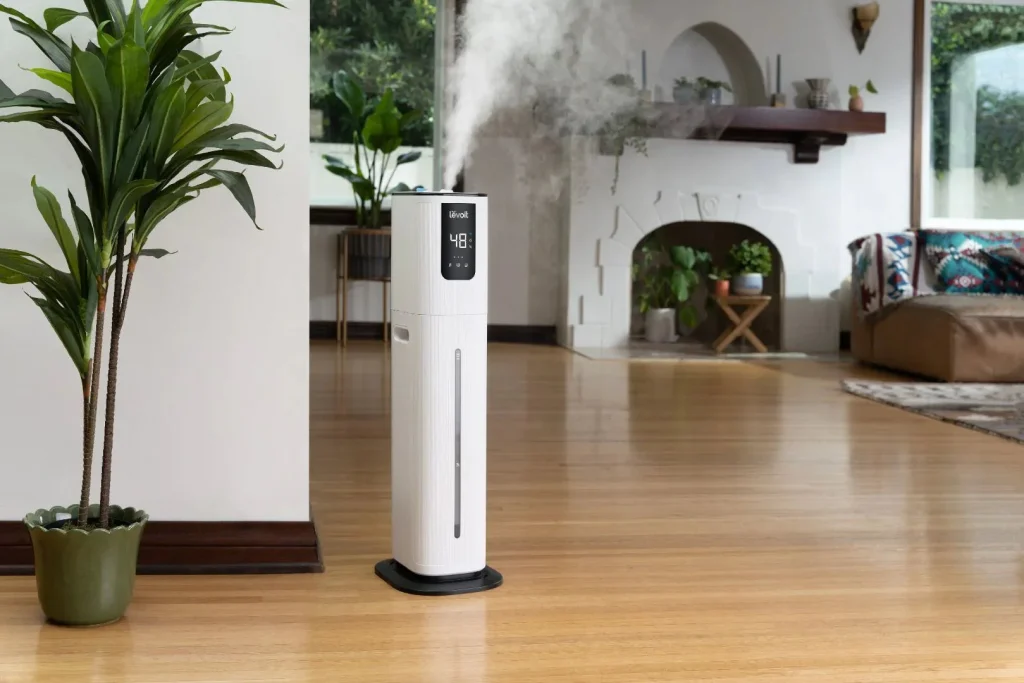
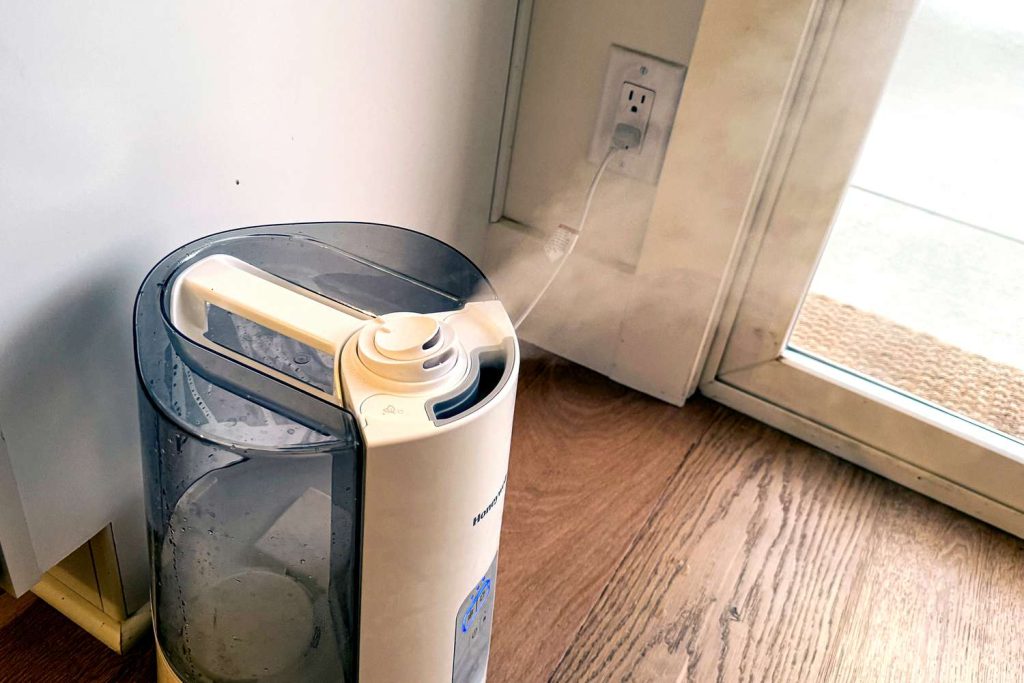
Portable humidifiers are standalone units that add moisture to the air in a single room. They come in different sizes and types, making them a flexible option for many homes. You can move them from room to room as needed, which is why many people like them.
Types of Portable Humidifiers
There are several types of portable humidifiers to choose from:
- Evaporative humidifiers use a fan to blow air through a wet wick or filter
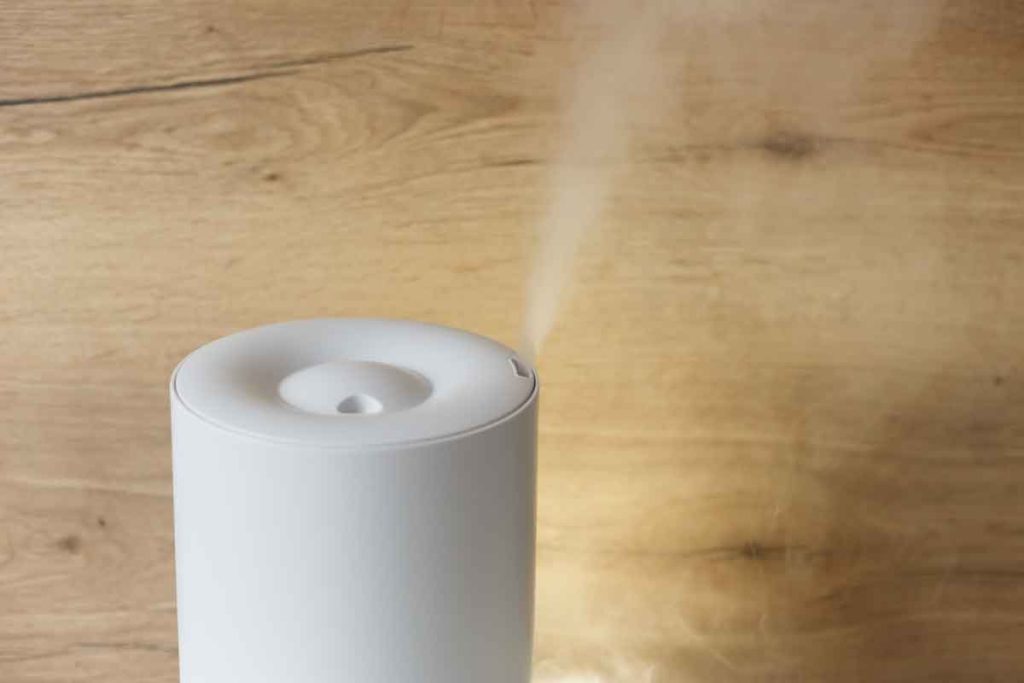
- Ultrasonic humidifiers use high-frequency vibrations to create a fine mist
- Steam vaporizers heat water to create steam
- Cool mist humidifiers release room-temperature mist into the air
Each type works a little differently, but they all add moisture to the air in one room at a time.
Advantages of Portable Humidifiers
Portable humidifiers have several benefits that make them popular:
- Low upfront cost (usually $30-$100)
- No installation needed – just plug in and use
- Can be moved from room to room
- Easy to try out before committing to a bigger system
- Good for renters who can’t make permanent changes
Limitations of Portable Units
While portable humidifiers are convenient, they do have some drawbacks:
- Only humidify one room at a time
- Need frequent refilling (often daily)
- Require regular cleaning to prevent mold and bacteria growth
- Can be noisy, especially evaporative models
- May not be powerful enough for very large rooms
What Are Whole-Home Humidifiers?
Whole-home humidifiers (also called central humidifiers) connect directly to your home’s HVAC system. They add moisture to all the air that passes through your heating and cooling system. This means they can humidify your entire house at once.
Types of Whole-Home Humidifiers
There are three main types of whole-home humidifiers:
- Bypass humidifiers use your furnace’s blower to move air through a water panel
- Fan-powered humidifiers have their own fan to move air through the water panel
- Steam humidifiers create steam that gets distributed through your ductwork
Each type has different installation requirements and humidity output levels.
Advantages of Whole-Home Systems
Whole-home humidifiers offer several important benefits:
- Add moisture to your entire house at once
- Connect to your water line, so no manual refilling
- Operate quietly since they’re installed with your HVAC system
- Can be controlled by a central humidistat (like a thermostat for humidity)
- Require less frequent maintenance than portable units
- More effective for maintaining consistent humidity levels
Limitations of Whole-Home Humidifiers
Despite their benefits, whole-home humidifiers aren’t perfect:
- Higher upfront cost ($400-$1,000+ installed)
- Professional installation required
- Not an option for homes without forced-air heating systems
- More complex repairs if something breaks
- Not portable or removable if you move

Comparing Costs: Initial Investment and Long-Term Expenses
When comparing portable vs whole-home humidifiers, cost is often a major factor. Let’s break down what you can expect to pay for each option.
Portable Humidifier Costs
Portable humidifiers are much less expensive upfront:
- Basic models: $30-$50
- Mid-range models: $50-$100
- Premium models: $100-$300
However, there are ongoing costs to consider:
- Replacement filters: $10-$30 every 1-3 months
- Electricity: $3-$5 per month per unit
- Water: minimal cost
- Cleaning solutions: $5-$10 every few months
If you need multiple units for different rooms, these costs multiply.
Whole-Home Humidifier Costs
Whole-home humidifiers have a higher initial cost:
- Unit cost: $200-$500 for the humidifier itself
- Professional installation: $200-$600
- Total upfront cost: $400-$1,100+
Long-term costs include:
- Water panel/filter replacement: $20-$40 annually
- Water usage: slightly higher water bill
- Electricity: minimal increase (most use your existing HVAC blower)
- Professional maintenance: $70-$150 annually (optional but recommended)
Long-Term Cost Comparison
Over a 5-year period, the costs might look like this:
Portable Humidifier (single unit):
- Initial purchase: $80
- Filters (5 years): $200-$600
- Electricity: $180-$300
- Cleaning supplies: $50-$100
- Total 5-year cost: $510-$1,080
Whole-Home Humidifier:
- Purchase and installation: $700
- Water panels (5 years): $100-$200
- Maintenance: $350-$750 (if professionally serviced)
- Utility costs: $100-$200
- Total 5-year cost: $1,250-$1,850
While whole-home systems cost more initially, the difference narrows over time, especially if you would need multiple portable units.

Effectiveness and Coverage Area
How well each type of humidifier works depends largely on the area it needs to cover and how much moisture it can add to the air.
Portable Humidifier Coverage
Portable humidifiers are rated for specific room sizes:
- Small units: 300-500 square feet (one medium room)
- Medium units: 500-900 square feet (one large room)
- Large units: 900-1,300 square feet (multiple connected rooms)
The moisture from portable humidifiers tends to concentrate in the room where the unit is placed. Doorways and walls limit how far the humidity spreads. This means you might have one comfortable room while others remain dry.
Whole-Home Humidifier Coverage
Whole-home humidifiers are designed to cover your entire house:
- Small homes (up to 2,000 sq ft): 12-17 gallons per day capacity
- Medium homes (2,000-3,000 sq ft): 18-25 gallons per day capacity
- Large homes (3,000+ sq ft): 26-36+ gallons per day capacity
Because they work through your existing ductwork, whole-home humidifiers distribute moisture evenly throughout your house. This creates consistent humidity levels in every room.
Humidity Control and Precision
Portable humidifiers typically have simple controls (low/medium/high) or basic humidistats. This makes precise humidity control difficult. You might find yourself with too much humidity (causing condensation) or too little (still feeling dry).
Whole-home humidifiers connect to a central humidistat that works like a thermostat for humidity. You can set an exact humidity percentage (usually 30-50% is recommended), and the system will maintain that level automatically. Many newer models even adjust based on outdoor temperature to prevent window condensation.
Maintenance Requirements
The time and effort needed to maintain your humidifier is an important consideration when choosing between portable vs whole-home models.
Portable Humidifier Maintenance
Portable humidifiers require frequent attention:
- Daily: Refill water tank (sometimes multiple times per day)
- Every 3 days: Empty, rinse, and refill the tank to prevent bacteria growth
- Weekly: Deep clean with vinegar or manufacturer-recommended solution
- Monthly: Replace or clean filters (depending on model)
- Seasonal: Clean thoroughly before storing for off-season
Skipping this maintenance can lead to mold growth, bacteria, and white dust (from mineral deposits). These can affect your air quality and potentially cause health issues.
Whole-Home Humidifier Maintenance
Whole-home humidifiers need less frequent maintenance:
- Seasonal: Replace water panel/pad (typically once per heating season)
- Annual: Professional inspection recommended (can be done during regular HVAC maintenance)
- Every 3-5 years: Clean water line and check for mineral buildup
Because whole-home humidifiers connect directly to your water supply, there’s no daily refilling. And since the water is constantly flowing rather than sitting in a tank, there’s less chance of mold and bacteria growth.
Time Investment Comparison
Over the course of a month during winter, you might spend:
- Portable humidifier: 30-60 minutes on refilling, cleaning, and maintenance
- Whole-home humidifier: 0-5 minutes checking settings (plus annual service)
This time difference can be significant, especially in busy households.
Making the Right Choice for Your Home
Now that we’ve compared portable vs whole-home humidifiers in detail, how do you decide which is right for you? Consider these factors:
Choose a Portable Humidifier If:
- You’re on a tight budget
- You rent your home
- You only need to humidify one or two rooms
- You want to try humidification before investing in a whole-home system
- You don’t have forced-air heating
- You don’t mind the regular maintenance
Choose a Whole-Home Humidifier If:
- You want consistent humidity throughout your entire home
- You have forced-air heating with ductwork
- You plan to stay in your home for several years
- You want a low-maintenance solution
- You have chronic respiratory issues that benefit from consistent humidity
- You can afford the higher upfront cost

Hybrid Approach
Some homeowners choose a hybrid approach:
- Install a whole-home humidifier for baseline humidity throughout the house
- Use a portable humidifier in bedrooms at night or in rooms where extra humidity is needed
This combination provides whole-house coverage with targeted humidity where it matters most.
Frequently Asked Questions
Can I install a whole-home humidifier myself?
While technically possible, whole-home humidifier installation involves electrical wiring, cutting into ductwork, and connecting to water lines. Most manufacturers recommend professional installation to ensure safety and proper operation.
Do portable humidifiers use a lot of electricity?
Most portable humidifiers use relatively little electricity. Evaporative and ultrasonic models typically use 30-50 watts, similar to a light bulb. Steam vaporizers use more (300-500 watts) because they heat water.
Can humidifiers cause mold problems?
Yes, if humidity levels get too high (above 60%) or if portable units aren’t cleaned regularly. Whole-home humidifiers with proper humidity control are less likely to cause mold issues because they maintain consistent, appropriate humidity levels.
How do I know if I need a humidifier?
Signs you might need a humidifier include static electricity, dry skin, cracking wood furniture, frequent nosebleeds, and respiratory discomfort in winter. You can also measure your home’s humidity with an inexpensive hygrometer—ideal indoor humidity is 30-50%.
Can I use tap water in my humidifier?
For portable humidifiers, distilled water is best to prevent mineral buildup and white dust. Whole-home humidifiers can use tap water but may need more frequent maintenance in areas with hard water.
How long do humidifiers last?
Portable humidifiers typically last 2-5 years with proper care. Whole-home humidifiers generally last 7-10 years, with some components needing replacement periodically.
Ready to Improve Your Home’s Air Quality?
Whether you choose a portable vs whole-home humidifier, adding moisture to dry indoor air can make your home more comfortable and healthier. Portable humidifiers offer flexibility and low upfront costs, while whole-home systems provide consistent, maintenance-free operation throughout your house.
If you’re still unsure which option is best for your specific situation, consider consulting with an HVAC professional. They can evaluate your home’s size, your existing heating system, and your specific needs to recommend the perfect humidification solution.
Ready to breathe easier and feel more comfortable in your home? Contact us today to schedule a consultation about humidifier options. Our experts can help you choose and install the right system to keep your home at the perfect humidity level all year round. Call Shipton’s Heating and Cooling today!