What Does the Color of a Furnace Flame Tell You?
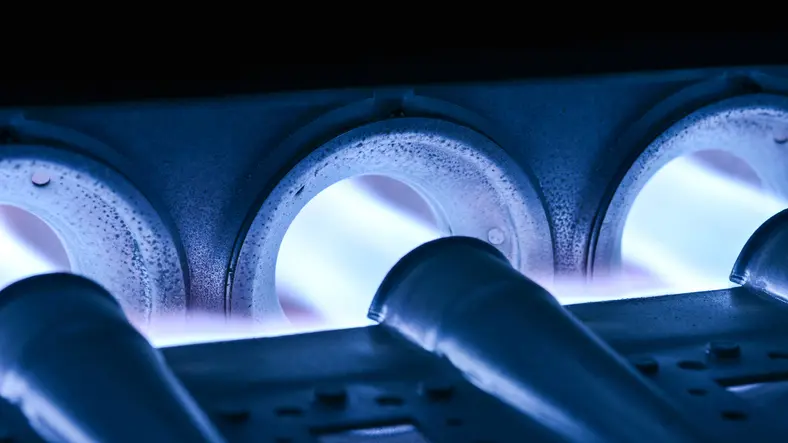
The color of a furnace flame is an important safety indicator in your home. A healthy furnace should have a blue flame with a small yellow tip. This blue color shows that your furnace is burning fuel completely and safely. If you notice your furnace flame is yellow instead of blue, this could signal a dangerous problem. Yellow flames often mean incomplete combustion, which can release carbon monoxide into your home. Understanding what different flame colors mean can help keep your family safe and your heating system working properly.
Table of Contents
| Flame Color | What It Means | Action Required |
|---|---|---|
| Blue with slight yellow tips | Normal, efficient combustion | Regular maintenance only |
| Mostly or all yellow | Incomplete combustion, possible carbon monoxide risk | Turn off furnace and call a professional immediately |
| Orange or red tints | Dust particles or improper air-to-fuel ratio | Professional inspection recommended |
| Green or purple tints | Possible copper or other metal burning in system | Professional inspection required |
Why Your Furnace Flame Should Be Blue
A blue flame in your furnace is the sign of a healthy heating system. The color of a furnace flame turns blue when natural gas or propane mixes with the right amount of oxygen. This perfect mix creates complete combustion. Complete combustion means your furnace is:
- Using fuel efficiently
- Producing more heat
- Creating fewer harmful byproducts
- Operating as designed
The blue color comes from the high temperature of the flame. When your furnace burns at the right temperature (around 1,800°F), it produces this distinctive blue color. A properly working furnace will show a steady blue flame with perhaps tiny yellow tips. This is normal and shows your system is working correctly.
What Makes a Flame Blue?
The science behind the color of a furnace flame is interesting. When natural gas (mostly methane) burns completely with enough oxygen, it creates a chemical reaction that releases energy at specific wavelengths. These wavelengths appear blue to our eyes. The blue color means the gas molecules are fully breaking down and releasing all their potential energy as heat.
Think of it like baking cookies completely versus taking them out when they’re still doughy in the middle. A blue flame means your fuel is “fully baked” and giving you all the heat it can.
Yellow Furnace Flames: A Warning Sign
If you notice the color of a furnace flame is yellow instead of blue, you should be concerned. Yellow flames indicate incomplete combustion. This happens when there isn’t enough oxygen mixing with the fuel. Without enough oxygen, the gas can’t burn completely.
This incomplete burning creates several problems:
- Less heat output from your furnace
- Wasted fuel and higher energy bills
- Creation of carbon monoxide (CO)
- Soot buildup in your furnace
Carbon monoxide is the biggest worry with yellow flames. This invisible, odorless gas can cause serious health problems or even death. That’s why paying attention to the color of a furnace flame is so important for your family’s safety.
What Causes Yellow Flames?
Several issues can cause your furnace flame to turn yellow:
Dirty burners: Dust and dirt can block the proper mix of air and gas. When burners get clogged, they can’t mix fuel and oxygen correctly.
Poor ventilation: Your furnace needs good airflow. If something blocks the air intake or exhaust, it can cause yellow flames.
Cracked heat exchanger: This is a serious problem. A cracked heat exchanger can let gases mix incorrectly and allow carbon monoxide to leak into your home.
Improper gas pressure: If the gas pressure is too high or too low, it won’t burn correctly.
Misaligned burners: Burners that aren’t positioned correctly can cause uneven or yellow flames.
Other Flame Colors and What They Mean
While blue and yellow are the most common colors you’ll see, the color of a furnace flame might show other tints that provide clues about your system’s health.
Orange Flames
Orange-tinted flames often mean there are dust particles or other impurities burning in the flame. This might happen more often when you first turn on your furnace for the heating season. If the orange color doesn’t go away after a day or two of use, it could signal a problem.
Green or Purple Tints
If you see green or purple colors in your furnace flame, this could mean metal particles are burning. This might happen if copper or other metals in your furnace are overheating. This is unusual and requires professional attention.
Flickering Flames
The steadiness of the flame matters too. A healthy furnace flame should be steady, not flickering wildly. Flickering can mean:
- Uneven gas pressure
- Air leaks in the combustion chamber
- Drafts affecting the burner
- Problems with the gas valve
If your furnace flame flickers a lot, even if it’s blue, you should have it checked by a professional.
How to Check Your Furnace Flame Safely
Checking the color of a furnace flame is important, but you need to do it safely. Here’s how:
- Make sure you can access your furnace’s viewing window or door. Many modern furnaces have a small window specifically for checking the flame.
- Turn your thermostat up so the furnace kicks on.
- Once the furnace is running, look through the viewing window to check the flame color.
- If you don’t see a viewing window, you might need to remove an access panel. Only do this if you feel comfortable and know how to do it safely.
- Never remove panels while the furnace is running if you’re not trained to do so.
If you’re not comfortable checking yourself, schedule a professional maintenance visit. HVAC technicians check flame color as part of regular furnace maintenance.
When to Call a Professional Immediately
Call an HVAC professional right away if:
- You see a yellow flame instead of blue
- Your carbon monoxide detector goes off
- You notice soot around the furnace
- Family members experience headaches, nausea, or dizziness when the furnace runs
- You smell gas or burning odors
These signs could mean your furnace is creating carbon monoxide or has other serious problems. Don’t wait to get help.
Maintaining a Healthy Blue Flame
To keep the color of a furnace flame blue and your system running safely, follow these maintenance tips:
Regular Filter Changes
Change your furnace filter every 1-3 months depending on your home conditions. A clean filter helps your furnace get the right amount of air for proper combustion.
Annual Professional Maintenance
Have your furnace inspected and tuned up by a professional every year, ideally before the heating season starts. Technicians will:
- Clean the burners
- Check for cracks in the heat exchanger
- Test for proper gas pressure
- Ensure proper ventilation
- Verify the flame color and pattern
Keep the Area Around Your Furnace Clean
Don’t store items near your furnace, especially flammable materials. Keep the area clean and dust-free to prevent dirt from getting into the system.
Install Carbon Monoxide Detectors
Even with a blue flame, it’s essential to have working carbon monoxide detectors in your home. Place them near bedrooms and on each level of your house. Test them monthly and replace batteries yearly.
The Connection Between Flame Color and Efficiency
The color of a furnace flame doesn’t just affect safety, it impacts efficiency too. A blue flame means your furnace is converting fuel to heat effectively. This efficiency translates to:
- Lower heating bills
- More consistent home temperatures
- Less wear on furnace components
- Longer furnace lifespan
When your furnace burns with a yellow flame, it’s like driving a car with a partially clogged fuel injector. You’re using fuel but not getting all the power you should. This inefficiency costs you money and comfort.
Frequently Asked Questions About Furnace Flame Colors
Is it normal for my furnace flame to have yellow tips?
Yes, a small amount of yellow at the very tips of a primarily blue flame is normal. However, if the flame is mostly yellow or entirely yellow, that indicates a problem that needs professional attention.
Can I fix a yellow furnace flame myself?
Some simple causes of yellow flames, like dirty burners, might be fixable if you’re handy and comfortable working with your furnace. However, because of safety concerns with carbon monoxide, it’s usually best to call a professional to diagnose and fix the problem.
How often should I check my furnace flame color?
It’s a good idea to check the color of a furnace flame once a month during the heating season. Also check after storms or power outages that might have affected your furnace.
Will my furnace shut off automatically if the flame is yellow?
Most modern furnaces have safety features that detect some problems, but they don’t specifically detect flame color. They might shut down for related issues like improper combustion or overheating, but don’t rely on this as your only safety measure.
Does the color of a furnace flame matter for electric furnaces?
Electric furnaces don’t have flames at all. They use heating elements that glow red when hot. The flame color concerns in this article apply only to gas or propane furnaces.
Keeping Your Home Safe and Warm
Understanding the color of a furnace flame is an important part of home safety. A blue flame means your furnace is working properly, while a yellow flame signals potential danger. Regular maintenance and prompt attention to any changes in flame color will help keep your heating system running safely and efficiently.
Remember that your furnace is a complex appliance that plays a crucial role in your home comfort and safety. Don’t ignore warning signs like unusual flame colors, strange noises, or odd smells. When in doubt, it’s always better to call a professional than to risk your family’s safety.
For expert furnace inspection, maintenance, or repairs, contact Shipton’s Heating & Cooling. Our trained technicians can ensure your furnace is operating safely with the proper blue flame you need for efficient, worry-free heating all season long.