
Why Is One Room Hotter Than the Other?
One room in your home is hotter than others because of several common factors. These include poor insulation, blocked air vents, unbalanced ductwork, direct sunlight exposure, or your HVAC system’s age and size. The room’s location also matters – upper floors naturally trap heat, while rooms far from your thermostat might not get proper temperature readings. Electronics and appliances generate extra heat too. Most homes have temperature differences of 2-4 degrees between rooms, but anything more suggests a problem that needs fixing for better comfort and energy efficiency.
Table of Contents
Common Causes of Temperature Differences Between Rooms
Temperature differences between rooms can make your home feel uncomfortable. Let’s look at the most common reasons why one room might feel like a sauna while others are just right.
| Cause | Quick Fix Idea |
|---|---|
| Poor Insulation | Add or upgrade insulation in walls, ceilings, and floors. |
| Air Leaks | Seal gaps around windows, doors, and ducts. |
| Blocked Vents | Clear vents of furniture or rugs. |
| Duct Problems | Inspect and seal leaks, balance airflow. |
| Wrong HVAC Size | Have a pro assess and resize if needed. |
| Thermostat Placement | Relocate away from drafts or heat sources. |
| Sun Exposure | Use blinds, curtains, or window films. |
| Two-Story Heat Difference | Improve air circulation with fans or zoning. |
| Dirty Filters | Replace filters regularly. |
| No Zoning | Install a zoning system for better control. |
Poor Insulation and Air Leaks
Bad insulation is a top reason for hot rooms. When walls, ceilings, or floors lack proper insulation, outside heat easily enters during summer. In winter, warm air escapes through these same spots.
Air leaks around windows and doors create the same problem. Even small gaps let hot or cold air pass through. This makes your HVAC system work harder and creates uneven temperatures.
You might notice this problem more in older homes. Their insulation might have settled or deteriorated over time. Newer additions to homes sometimes have different insulation levels than the original structure.
Blocked or Closed Air Vents
Sometimes the fix is as simple as checking your vents. Furniture, rugs, or curtains blocking air vents prevent proper airflow. This makes rooms hotter or colder than they should be.
Some people close vents in unused rooms thinking it saves energy. But this actually creates pressure imbalances in your duct system. This forces your HVAC to work harder and causes uneven cooling or heating.
Take a walk through your home and check each vent. Make sure they’re open and nothing blocks the airflow. This simple step might solve your temperature problems.
Unbalanced Ductwork
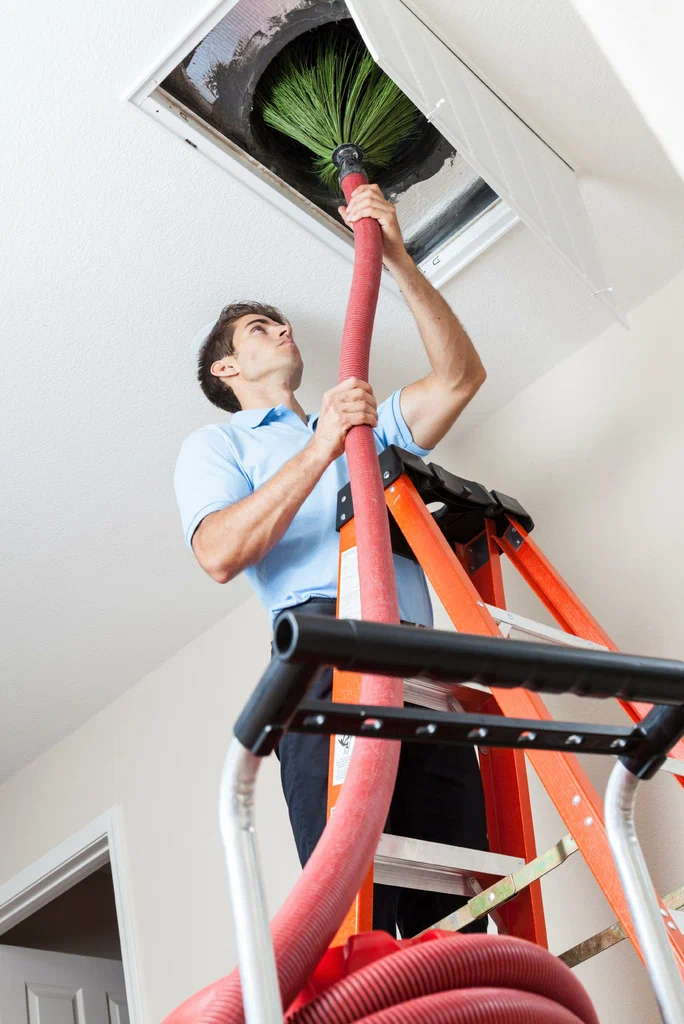
Your home’s ductwork is like its circulatory system. When ducts are poorly designed or damaged, some rooms get more conditioned air than others.
Common ductwork problems include:
- Leaky ducts that lose air before it reaches distant rooms
- Ducts that are too small for the space they serve
- Improperly balanced dampers that direct too much air to some areas
- Crushed or kinked flexible ducts that restrict airflow
Professional duct testing can identify these issues. Sealing leaks and balancing your system often makes a big difference in evening out temperatures.
Sun Exposure and Window Quality
Rooms with large windows facing south or west get more direct sunlight. This creates a greenhouse effect, trapping heat inside. In summer, these rooms can be 5-10 degrees hotter than north-facing rooms.
Window quality also matters. Single-pane windows offer little insulation against outside temperatures. Older windows may have failing seals that let heat transfer easily.
Simple solutions include:
- Using blinds or curtains during peak sun hours
- Adding window films that block heat
- Planting shade trees outside sun-exposed windows
- Upgrading to energy-efficient windows with better insulation
HVAC System Size and Age
Your heating and cooling system might be part of the problem. An undersized system struggles to heat or cool your entire home evenly. An oversized system might cycle on and off too quickly, creating temperature swings.
Older HVAC systems lose efficiency over time. They may not distribute air as effectively as when they were new. Most systems last 15-20 years before needing replacement.
Regular maintenance helps extend your system’s life and improves its performance. But if your system is aging and temperature problems are getting worse, it might be time for an upgrade.
Room Location Factors
Where a room sits in your home greatly affects its temperature. Let’s explore how location creates hot and cold spots.
Upper Floor Heat Trapping
Heat naturally rises. This simple fact explains why upstairs rooms often feel hotter than downstairs areas. In two-story homes, the temperature difference can be 5-8 degrees or more during summer.
Attics above upper floors compound this problem. Without proper attic insulation and ventilation, heat builds up and radiates into rooms below. This creates a “hot ceiling” effect that makes upstairs bedrooms uncomfortable.
Adding attic insulation, installing attic fans, or improving ventilation can help manage this natural heat rise. Some homeowners also install separate HVAC zones for upstairs and downstairs to better control temperatures.
Distance from Thermostat
Your thermostat can only measure temperature in one location. Rooms far from this spot might be much hotter or colder than the thermostat reading.
For example, if your thermostat sits in a cool hallway, it might think your home has reached the target temperature. Meanwhile, a bedroom at the end of the hall remains too warm.
Smart thermostats with remote sensors help solve this problem. These systems measure temperatures in multiple rooms and adjust accordingly. Some even learn your schedule and preferences over time.
Room Usage and Heat-Generating Items
What happens inside a room affects its temperature. Rooms with lots of electronics, appliances, or frequent activity naturally become warmer.
Common heat sources include:
- Computers, TVs, and gaming systems
- Kitchen appliances like ovens and dishwashers
- Exercise equipment
- Incandescent light bulbs
- Bodies of people and pets
A home office filled with equipment or a kitchen during cooking times will always be warmer than less-used spaces. Consider this when setting up rooms and managing expectations about temperature consistency.
Diagnosing Temperature Imbalances
Before fixing temperature problems, you need to understand exactly what’s happening in your home. Here’s how to properly diagnose uneven heating and cooling.
Measuring Temperature Differences
Start by getting actual temperature readings in different rooms. Use a reliable digital thermometer and check each room at the same height from the floor.
Take readings at different times of day. Some rooms might only overheat during afternoon sun exposure. Others might be consistently warm.
Normal temperature variations between rooms should be 2-4 degrees. Differences larger than this suggest a problem that needs addressing.
Keep a simple log of your findings. Note which rooms are hottest, when the problem occurs, and any patterns you notice. This information helps identify the cause and find the right solution.
Checking Airflow and Vents
Test the airflow from each vent in your home. Hold a piece of tissue paper near the vent when your system runs. The paper should move strongly and consistently.
Weak airflow might indicate:
- Clogged air filters
- Dirty ductwork
- Blower motor problems
- Duct leaks or blockages
Also check return vents. These large vents pull air back to your HVAC system. Blocked returns create pressure imbalances that affect your entire system’s performance.
Inspecting Insulation and Seals
Examine problem rooms for insulation issues. Look for gaps around windows, doors, electrical outlets, and light fixtures. On cold days, these spots might feel drafty. On hot days, they let heat in.
Check attic insulation above hot rooms. Insulation should be evenly distributed and meet recommended R-values for your climate zone. Missing or compressed insulation creates hot spots.
Window seals often fail over time. Look for condensation between glass panes or frames that feel unusually hot or cold to the touch. These signs indicate windows that no longer insulate properly.
Solutions for Evening Out Home Temperatures
Now that you understand why temperature differences happen, let’s explore practical solutions. From quick fixes to long-term investments, these approaches help create more consistent comfort.
Quick Fixes and DIY Solutions
Start with these simple, low-cost approaches:
Adjust your vents. Partially close vents in cooler rooms to direct more air to warmer spaces. Don’t close them completely, as this can strain your system.
Use ceiling fans. In summer, run fans counterclockwise to create a cooling breeze. In winter, run them clockwise at low speed to push warm air down from the ceiling.
Add window treatments. Thermal curtains, blinds, or window films block heat gain from sunlight. Close them during peak sun hours in summer.
Seal obvious leaks. Use weatherstripping or caulk around windows and doors. Add foam gaskets behind outlet covers on exterior walls.
Manage heat sources. Turn off unused electronics. Use heat-generating appliances during cooler parts of the day.
These simple steps often make a noticeable difference without major expense.
HVAC System Adjustments and Maintenance
Your heating and cooling system needs regular attention to work efficiently:
Change air filters monthly. Clogged filters restrict airflow and reduce efficiency. This simple maintenance task improves performance and extends system life.
Schedule professional maintenance. Annual tune-ups keep your system running at peak efficiency. Technicians clean components, check refrigerant levels, and identify potential problems.
Balance your system. HVAC professionals can adjust dampers in your ductwork to direct proper airflow to each room. This specialized service often solves persistent temperature imbalances.
Clean your ducts. If it’s been years since your last duct cleaning, dust and debris might restrict airflow. Professional cleaning removes these blockages.
Regular maintenance prevents many temperature problems before they start.
Long-Term Improvements and Investments
For persistent temperature issues, consider these more substantial solutions:
Add insulation. Improving insulation in attics, walls, and floors creates a more stable indoor environment. This reduces the workload on your HVAC system and evens out temperatures.
Upgrade windows. Energy-efficient windows with double or triple panes significantly reduce heat transfer. While expensive, they improve comfort and reduce energy bills.
Install zoning systems. HVAC zoning divides your home into separately controlled areas. Each zone has its own thermostat, allowing customized temperatures for different parts of your home.
Consider ductless mini-splits. These systems provide heating and cooling without ductwork. They’re ideal for problem rooms or home additions that never seem comfortable.
Upgrade to a variable-speed HVAC system. Unlike standard systems that run at full blast or not at all, variable-speed systems adjust their output to maintain consistent temperatures.
These investments cost more upfront but provide lasting comfort and often reduce energy bills.
When to Call a Professional
While DIY approaches help with many temperature issues, some situations require expert assistance. Here’s when to call in the pros.
Signs of Serious HVAC Problems
Contact a professional if you notice:
| Symptom | Possible Concern |
|---|---|
| Strange noises (grinding, banging, high-pitched squeals) | Mechanical issues or worn components. |
| Frequent cycling on and off | Thermostat malfunctions or system inefficiency. |
| Unusually high energy bills | System working harder than normal due to hidden problems. |
| Persistent uneven cooling or heating | Airflow issues, duct problems, or failing components. |
| Ice on coils or refrigerant lines | Refrigerant leaks or low refrigerant levels. |
| Burning smells or unusual odors | Electrical issues, overheating, or debris in the system. |
These symptoms suggest problems that require professional diagnosis and repair.
Professional Services That Help
HVAC professionals offer specialized services to address temperature imbalances:
Manual J load calculations determine the proper system size for your home. This ensures your HVAC equipment matches your actual heating and cooling needs.
Duct testing and sealing finds and fixes leaks that waste up to 30% of conditioned air. Professionals use specialized equipment to locate even hidden leaks.
Home energy audits provide a comprehensive assessment of your home’s efficiency. These detailed evaluations identify all factors affecting comfort and energy use.
Blower door tests measure how airtight your home is. This helps identify where air leaks occur and prioritize sealing efforts.
Thermal imaging uses infrared cameras to spot insulation gaps, air leaks, and other hidden issues affecting temperature.
These professional services provide precise information about your home’s specific challenges.
Preventing Future Temperature Imbalances
Once you’ve addressed current temperature problems, take these steps to maintain comfortable, consistent temperatures throughout your home.
Regular Maintenance Schedule
Create a year-round maintenance plan:
| Frequency | Task |
|---|---|
| Monthly | Check and replace air filters; clean return air grilles and supply vents. |
| Seasonally | Inspect window seals and weatherstripping; clear vegetation blocking outdoor units. |
| Bi-annually | Schedule professional HVAC maintenance before heating and cooling seasons. |
| Annually | Inspect attic and crawlspace insulation; check ductwork for visible damage. |
Regular maintenance prevents small issues from becoming big problems. It also extends equipment life and maintains efficiency.
Smart Home Technology for Temperature Management
Modern technology offers powerful tools for managing home comfort:
Smart thermostats learn your schedule and preferences. They adjust temperatures automatically and can be controlled remotely.
Temperature sensors placed in different rooms provide more accurate readings than a single thermostat. Some smart systems use these readings to balance your home’s climate.
Automated blinds or shades adjust based on sunlight intensity, blocking heat when needed.
HVAC monitoring systems alert you to potential problems before they affect comfort or cause damage.
These technologies make temperature management more convenient and effective.
Understanding Normal Temperature Variations
While perfect temperature consistency is the goal, some variation is normal and expected. Understanding this helps set realistic expectations.
What’s Normal vs. What Needs Fixing
| Normal Variations | Problems That Need Fixing |
|---|---|
| 2–4° differences between rooms | Temperature differences greater than 5–8° |
| Slightly warmer temperatures on upper floors | Rooms that never reach comfortable temperatures |
| Temporary warming in rooms with sun exposure | Consistent hot or cold spots |
| Brief temperature fluctuations during system cycling | Dramatic temperature changes when moving between rooms |
Understanding these differences helps you decide when to take action and when slight variations are simply part of normal home life.
Seasonal Considerations
Temperature balance challenges change with the seasons:
Summer challenges: Upper floors and west-facing rooms often overheat. Sun exposure creates more dramatic temperature differences.
Winter challenges: Rooms with exterior walls or large windows feel colder. Drafts become more noticeable.
Spring and fall: These transition seasons often have the most comfortable temperature balance naturally. They’re good times to assess your home’s baseline performance.
Adjust your approach based on seasonal patterns. Solutions that work in summer might need tweaking for winter comfort.
Frequently Asked Questions
How much temperature difference between rooms is normal?
A temperature difference of 2-4 degrees between rooms is generally considered normal. Factors like room location, sun exposure, and distance from the thermostat naturally create some variation. However, differences greater than 5-8 degrees usually indicate a problem that needs addressing, such as ductwork issues, insulation problems, or HVAC system imbalances.
Will closing vents in unused rooms help balance temperatures?
Contrary to popular belief, closing vents in unused rooms often makes temperature imbalances worse. Modern HVAC systems are designed to maintain specific air pressure throughout your ductwork. Closing vents increases pressure in the system, which can damage components, increase energy use, and create more temperature inconsistency. Instead, consider a professional duct balancing service or a zoned HVAC system.
How do I know if my HVAC system is the right size for my home?
Signs your HVAC system might be improperly sized include frequent cycling on and off, inability to maintain comfortable temperatures, excessive humidity, or very uneven heating and cooling. The only accurate way to determine proper sizing is through a Manual J load calculation performed by a qualified HVAC professional. This calculation considers your home’s size, insulation, window area, local climate, and other factors to determine the correct system capacity.
Can smart thermostats really help with temperature imbalances?
Yes, smart thermostats can help address temperature imbalances, especially when used with remote sensors. These systems can monitor temperatures in multiple rooms and adjust operation accordingly. Some learn your preferences and schedule over time, making automatic adjustments for comfort. While they can’t fix fundamental issues like poor insulation or ductwork problems, they do provide more precise control and can compensate for minor imbalances.
How much does professional duct balancing cost?
Professional duct balancing typically costs between $250 and $500 for an average home. The exact price depends on your home’s size, duct system complexity, and local labor rates. While this represents an investment, properly balanced ductwork can significantly improve comfort, reduce energy bills, and extend HVAC system life. Most homeowners find the improvement in comfort well worth the cost.
Take Action for Consistent Home Comfort
Temperature imbalances between rooms don’t have to be a permanent problem. With the right approach, you can create a more comfortable home environment year-round.
Start with simple solutions like checking vents, using fans strategically, and managing heat sources. These quick fixes often make a noticeable difference with minimal investment.
For persistent problems, consider professional services. HVAC technicians can properly diagnose issues and recommend targeted solutions. From duct balancing to system upgrades, professional help addresses problems at their source.
Remember that maintaining comfortable temperatures is an ongoing process. Regular maintenance prevents new problems from developing and keeps your system running efficiently.
Ready to solve your home’s temperature imbalances? Contact Shipton’s Heating and Cooling today. Our experienced technicians can diagnose your specific issues and recommend the right solutions for your home and budget. We’ll help you create the consistently comfortable home environment you deserve. Call us now to schedule your appointment and take the first step toward whole-home comfort!