
Table of Contents
Duct cleaning for mold prevention is one of the most important home maintenance tasks you can do to protect your family’s health. When mold grows in your air ducts, it can spread spores throughout your entire home every time your heating or cooling system runs. This can cause allergies, breathing problems, and even make your HVAC system work harder. Regular duct cleaning removes mold and prevents it from growing back, keeping your air clean and your family healthy.
Why Mold Grows in Air Ducts
Mold loves dark, damp places – and your air ducts can be the perfect home for it. When moisture gets into your ductwork, mold can start growing in as little as 24-48 hours. This moisture can come from many sources.
Common Moisture Sources in Ductwork
High humidity is one of the biggest culprits for mold in ducts. When humid air flows through your cool ducts, water can condense on the inside surfaces. This is especially common in summer months when your air conditioning is running.
Leaky roofs or pipes near your ductwork can also introduce water. Even a small drip can create enough moisture for mold to thrive. Water can also enter through cracks or gaps in your ductwork.
Dust and Dirt: Food for Mold
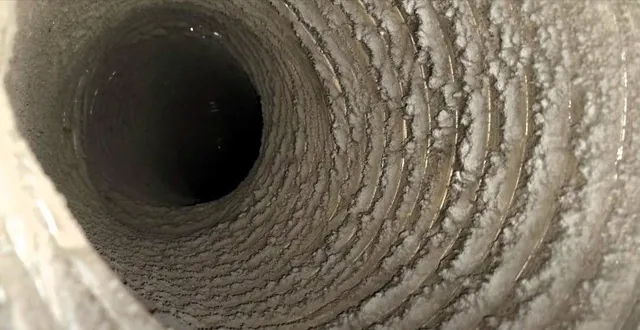
Mold needs food to grow, and the dust and dirt in your ducts provide plenty of nutrients. Over time, dust, skin cells, pet dander, and other organic materials collect in your ductwork. This “food” combined with moisture creates the perfect environment for mold growth.
When your HVAC system isn’t used for long periods, like during mild weather seasons, dust can build up even more. This gives mold an even better chance to take hold once moisture is introduced.
Health Risks of Mold in Ductwork
Having mold in your air ducts is like having a mold factory that delivers spores directly to every room in your house. This can cause serious health problems, especially for certain people.
Respiratory Issues and Allergies
Mold spores can trigger asthma attacks and make breathing difficult. People often experience coughing, wheezing, and shortness of breath when exposed to mold. For those with asthma or other breathing problems, mold can make symptoms much worse.
Allergic reactions are also common. These can include sneezing, runny nose, red eyes, and skin rash. Some people may not realize their symptoms are from mold, thinking they have seasonal allergies instead.
Who’s Most at Risk?
Some people are more sensitive to mold than others. These groups should be especially careful about mold exposure:
- Babies and young children
- Elderly people
- People with asthma or allergies
- Those with weakened immune systems
- People with chronic lung disease
For these individuals, duct cleaning for mold prevention isn’t just about comfort—it’s about protecting their health.
Signs You Need Duct Cleaning
How do you know if you need duct cleaning for mold prevention? There are several warning signs that shouldn’t be ignored.
Visual Indicators
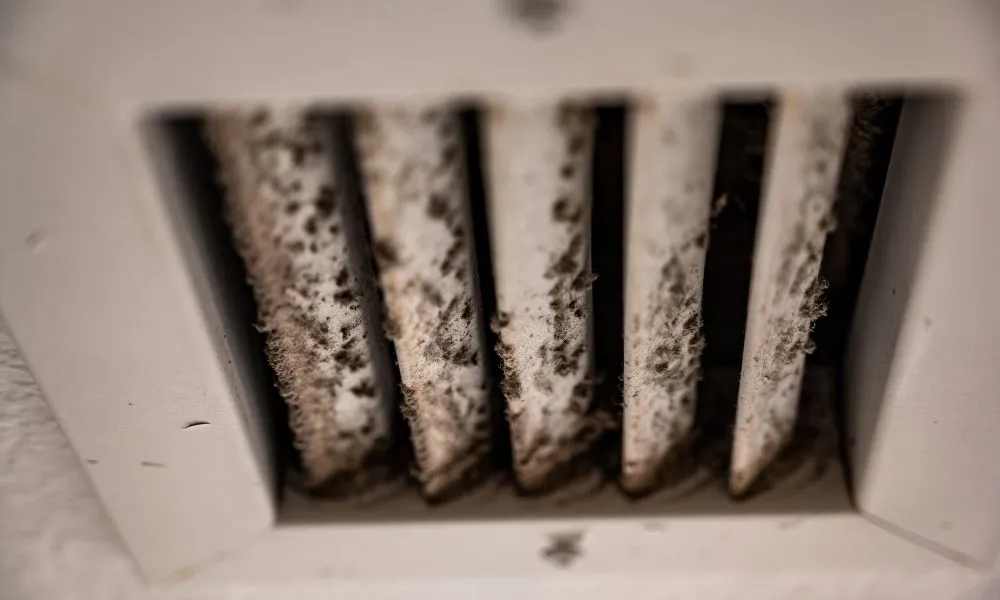
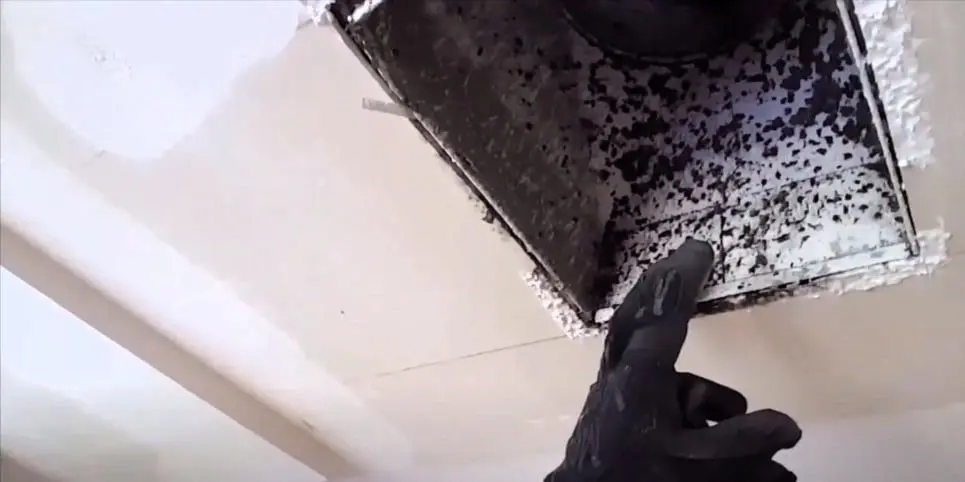
The most obvious sign is visible mold around your vents or inside the ducts. This might look like black, green, or white spots. You might also notice dust blowing out of your vents when the air turns on.
Check your air filters too. If they get dirty quickly or have mold spots, this could mean your ducts are contaminated. Also look for moisture around your vents or ductwork, as this creates conditions for mold growth.
Smell and Health Indicators
A musty or moldy smell when your HVAC system runs is a strong sign of mold in your ducts. This smell might be stronger in certain rooms or when you first turn on your system.
Pay attention to your health too. If people in your home have unexplained allergies or breathing problems that get better when they leave the house, mold could be the culprit. Symptoms that worsen when the heat or air conditioning is running are especially suspicious.
HVAC Performance Issues
Mold and dust buildup can affect how well your heating and cooling system works. If your system seems less efficient, runs longer than usual, or doesn’t maintain temperature well, dirty ducts might be part of the problem.
Uneven heating or cooling in different rooms can also indicate duct problems. When mold and debris block parts of your ductwork, airflow becomes restricted to certain areas.
The Duct Cleaning Process
Understanding what happens during professional duct cleaning can help you know what to expect and ensure the job is done right.
Professional Cleaning Steps
A thorough duct cleaning for mold prevention involves several important steps:
- Inspection: The technician will first check your ducts to assess the level of contamination and look for mold.
- Protection: Furniture and floors will be covered to prevent dust from spreading during cleaning.
- Creating negative pressure: Special vacuum equipment is attached to your ductwork to pull contaminants out of the system.
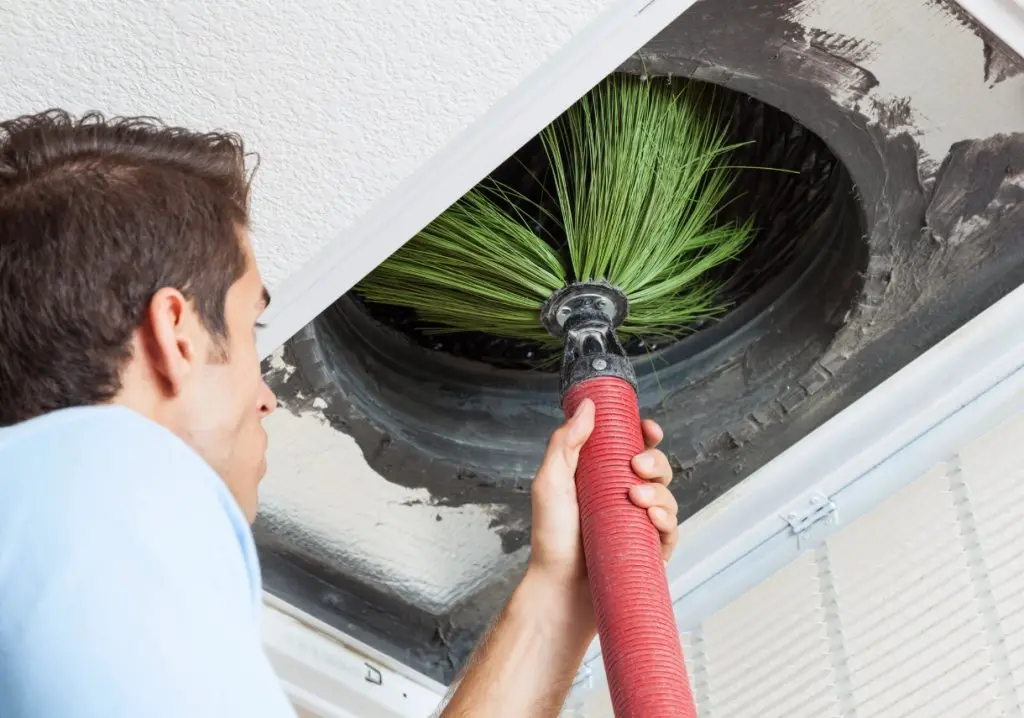
- Agitation: Brushes, air whips, or other tools loosen dust and mold from duct surfaces.
- Cleaning components: The technician will clean other parts of your HVAC system, including registers, grilles, fans, and coils.
- Mold treatment: If mold is found, special EPA-approved treatments may be applied to kill existing mold and prevent regrowth.
- Final inspection: A good technician will show you before and after results.
Equipment Used
Professional duct cleaners use specialized equipment that’s much more effective than household vacuums. This typically includes:
- High-powered HEPA vacuum systems
- Rotating brushes and air whips
- Inspection cameras
- Specialized cleaning tools for different duct types
- Sanitizing sprays or foggers for mold treatment
This equipment allows them to reach deep into your ductwork and remove contaminants that would otherwise be impossible to reach.
DIY vs. Professional Duct Cleaning
While some homeowners consider cleaning their ducts themselves, there are important differences between DIY and professional approaches.
Limitations of DIY Cleaning
DIY duct cleaning has several drawbacks when it comes to mold prevention:
- Household vacuums lack the power to remove deeply embedded contaminants
- Without proper equipment, you can only clean a few feet into the ducts
- DIY methods may actually release more mold spores into your home
- Most homeowners don’t have access to proper mold treatments
- Without cameras, you can’t see deep into the ductwork to check your work
While you can clean vent covers and the first few inches of ductwork yourself, this won’t address mold problems deeper in the system.
When to Call Professionals
Professional duct cleaning for mold prevention is recommended in these situations:
- When you see or smell mold in your system
- After water damage or flooding near your HVAC system
- When moving into a new home (especially if previous owners had pets)
- If anyone in your home has unexplained respiratory issues
- If it’s been more than 3-5 years since your last cleaning
- After major home renovations or construction
Professionals have the training to identify mold types and the equipment to remove them safely. They can also reach all parts of your duct system, including main trunk lines and return ducts.
Preventing Future Mold Growth
After cleaning your ducts, you’ll want to keep mold from coming back. These strategies can help maintain clean, mold-free ductwork.
Moisture Control
Since moisture is essential for mold growth, controlling it is your best defense:
- Fix leaky roofs, pipes, and windows promptly
- Use bathroom and kitchen exhaust fans to remove humid air
- Consider a whole-home dehumidifier if you live in a humid climate
- Keep your home’s humidity between 30-50%
- Check for condensation around vents and address it quickly
Proper insulation of ductwork can also prevent condensation, especially in attics, crawlspaces, and other unconditioned areas.
Regular Maintenance
Ongoing maintenance helps prevent conditions that lead to mold:
- Change HVAC filters every 1-3 months
- Consider using high-efficiency filters that trap more particles
- Have your HVAC system inspected annually
- Clean visible dust from vents and registers regularly
- Schedule professional duct cleaning every 3-5 years (more often if you have pets, allergies, or have had previous mold issues)
Some homeowners also benefit from UV light systems installed in their HVAC units. These can help kill mold spores as air passes through the system.
Frequently Asked Questions
How often should I have my ducts cleaned for mold prevention?
Most homes benefit from duct cleaning every 3-5 years. However, if you’ve had mold problems before, live in a very humid climate, or have family members with respiratory issues, cleaning every 2-3 years may be better. After water damage or visible mold, immediate cleaning is recommended.
How much does professional duct cleaning cost?
The cost typically ranges from $300-$700 for a standard home. The price depends on your home’s size, duct accessibility, and contamination level. Mold remediation services may cost extra. While this might seem expensive, it’s much cheaper than treating health problems or replacing your HVAC system.
Can I use bleach to kill mold in my ducts?
No, bleach is not recommended for duct cleaning. It can damage ductwork, doesn’t penetrate porous surfaces where mold grows, and creates harmful fumes. Professional cleaners use EPA-approved biocides specifically designed for HVAC systems.
Will my homeowner’s insurance cover duct cleaning for mold?
Most standard policies don’t cover routine duct cleaning. However, if mold resulted from a covered event like a burst pipe, insurance might cover remediation. Check your policy or call your insurance agent to understand your coverage.
How can I tell if a duct cleaning company is reputable?
Look for companies certified by the National Air Duct Cleaners Association (NADCA). Check reviews, ask for before/after photos from previous jobs, and get detailed written estimates. Be wary of companies offering very low prices, as proper duct cleaning requires time and specialized equipment.
Is duct cleaning worth it for mold prevention?
Yes, duct cleaning is a valuable preventive measure against mold. It removes existing mold and the dust that feeds it, improves air quality, and can increase HVAC efficiency. For homes with allergy sufferers or in humid climates, the benefits are even greater.
Take Action for Healthier Indoor Air
Duct cleaning for mold prevention is an important part of maintaining a healthy home. By removing mold spores from your ductwork, you protect your family’s health and extend the life of your HVAC system. The signs of mold in your ducts shouldn’t be ignored, as they can lead to serious health issues and expensive repairs.
While some maintenance can be done yourself, professional cleaning provides the thorough results needed to truly address mold problems. Combined with ongoing moisture control and regular maintenance, professional duct cleaning creates a healthier indoor environment for everyone in your home.
Don’t wait until you see or smell mold to take action. Schedule a professional duct inspection today to check for early signs of mold growth. Your lungs—and your wallet—will thank you for this preventive approach to home maintenance. Contact Shipton’s Heating and Cooling today!