
Table of Contents
A tank water heater stores and heats a large amount of water all the time. A tankless water heater only heats water when you need it. Tank heaters cost less to buy but use more energy. Tankless heaters cost more upfront but save money over time and take up less space. Your best choice depends on your family size, budget, and how much hot water you use.
The Basics: How Each Water Heater Works
Tank and tankless water heaters do the same job but in very different ways. Let’s look at how each one works.
How Tank Water Heaters Work
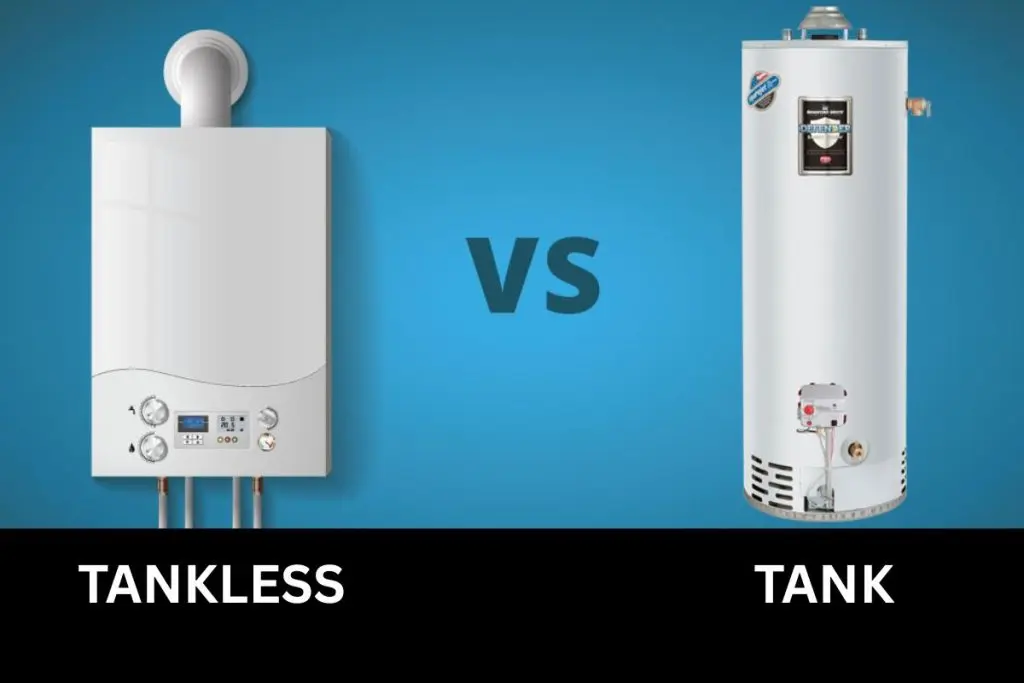
A tank water heater is like a big thermos. It has a large tank that holds 30-80 gallons of water. The tank keeps water hot all the time, even when you’re not using it.
Inside the tank, there’s a heating element. This element turns on when the water temperature drops. It works hard to keep water hot 24 hours a day.
When you turn on hot water in your home, the hot water comes from the top of the tank. Cold water then flows into the bottom to replace it. This is why you can run out of hot water if too many people take showers in a row!
How Tankless Water Heaters Work
A tankless water heater is much smaller. It’s about the size of a small suitcase. It doesn’t store any water at all.
When you turn on hot water, cold water flows through the tankless heater. Super-strong heating elements warm up the water right away. This happens in seconds!
The tankless water heater only works when you need hot water. When you turn off the tap, it stops heating. This is why people call them “on-demand” water heaters.
Because tankless heaters warm water as you need it, they don’t run out of hot water. You can take as many showers as you want!
Pros and Cons of Tank vs Tankless Water Heaters
Both types of water heaters have good and bad points. Let’s compare them side by side.
Tank Water Heater Advantages
- Lower upfront cost: Tank water heaters usually cost $400-$1,000 to buy.
- Easier installation: Most plumbers know how to install them quickly.
- Simple technology: They have fewer parts that can break.
- Good for high demand: They can handle multiple uses at once (like shower and dishwasher).
Tank Water Heater Disadvantages
- Limited hot water: You can run out if you use too much.
- Higher energy bills: They keep heating water even when you don’t need it.
- Takes up space: A big tank needs room in your home.
- Shorter lifespan: Most last 10-15 years before needing replacement.
- Risk of leaks: As tanks age, they can leak and cause water damage.
Tankless Water Heater Advantages
- Endless hot water: They never run out as long as they’re sized correctly.
- Energy savings: They only heat water when you need it.
- Space-saving design: They mount on a wall and are much smaller.
- Longer lifespan: Most last 20+ years with proper care.
- Lower risk of water damage: No stored water means less chance of leaks.
Tankless Water Heater Disadvantages
- Higher upfront cost: They typically cost $1,000-$3,000 to buy.
- Expensive installation: May need new gas lines or electrical upgrades.
- Output limitations: May struggle if multiple hot water sources run at once.
- More complex repairs: When problems happen, they can be harder to fix.
Cost Comparison: Purchase, Installation, and Operation
Money matters when choosing a water heater. Let’s break down all the costs.
Initial Purchase Costs
Tank water heaters are cheaper to buy. A good quality tank heater costs about $400-$1,000. High-efficiency models might cost a bit more.
Tankless water heaters cost more upfront. Expect to pay $1,000-$3,000 for the unit alone. Gas tankless models usually cost more than electric ones.
Installation Costs
Installing a tank water heater is usually simpler. If you’re replacing an old tank, installation might cost $300-$500. A new installation might be $800-$1,500.
Tankless installation costs more. Basic installation starts around $1,000. But if you need new gas lines or electrical work, it could cost $3,000 or more. Some homes need upgrades to support tankless heaters.
Operating Costs
This is where tankless heaters shine. A tank water heater uses energy all day and night. It keeps heating water even when you’re asleep or away from home. This wastes energy.
According to the U.S. Department of Energy, tankless water heaters can be 24-34% more energy efficient than tank models. For a typical family, this means saving $100-$200 per year on energy bills.
Long-Term Cost Comparison
Let’s look at the total cost over 15 years:
Tank Water Heater:
- Purchase and installation: $1,500
- Energy costs over 15 years: $6,000
- Possible replacement (tanks last 10-15 years): $1,500
- Total 15-year cost: $9,000
Tankless Water Heater:
- Purchase and installation: $4,000
- Energy costs over 15 years: $4,200
- No replacement needed (tankless last 20+ years): $0
- Total 15-year cost: $8,200
While tankless costs more upfront, it often saves money in the long run. But these savings take time to appear.
Energy Efficiency and Environmental Impact
Being kind to the planet is important. Let’s see how these water heaters affect the environment.
Energy Efficiency Ratings
Water heaters have an Energy Factor (EF) rating. Higher numbers mean better efficiency.
Tank water heaters typically have EF ratings of 0.55-0.70. High-efficiency models might reach 0.80.
Tankless water heaters have EF ratings of 0.82-0.98. This makes them about 30% more efficient on average.
Standby Heat Loss
Tank water heaters lose heat through their walls. This is called “standby heat loss.” It’s like leaving your oven on all day just in case you want to bake something.
Even with good insulation, tank heaters waste energy keeping water hot when you don’t need it. This is especially wasteful in vacation homes or when you’re away.
Tankless heaters don’t have this problem. They only use energy when hot water flows through them.
Environmental Benefits
Using less energy means creating less pollution. Tankless water heaters reduce your carbon footprint by using less gas or electricity.
Over its lifetime, a tankless water heater might prevent thousands of pounds of carbon dioxide from entering the atmosphere. That’s like planting dozens of trees!
Some tankless models also use less water. They deliver hot water faster, so you waste less water waiting for it to warm up.
Lifespan and Maintenance Requirements
How long will your water heater last? And what care does it need? These questions matter too.
Expected Lifespan
Tank water heaters typically last 10-15 years. After that, they often develop leaks or heating problems.
Tankless water heaters last much longer. With proper care, they can work well for 20+ years. Some manufacturers offer warranties up to 15 years, showing their confidence in these products.
Maintenance Needs for Tank Water Heaters
Tank heaters need regular care:
- Yearly flushing to remove sediment
- Checking the pressure relief valve
- Replacing the anode rod every 3-5 years
- Checking for leaks and rust
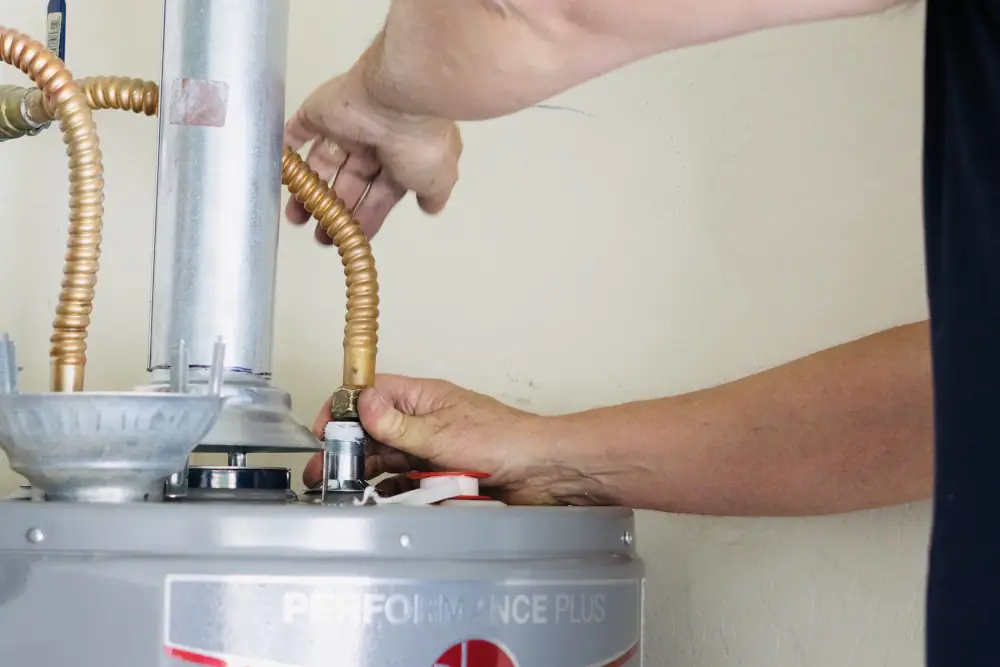
Without this care, tanks can develop problems faster. Sediment buildup makes them less efficient and shortens their life.
Maintenance Needs for Tankless Water Heaters
Tankless heaters also need maintenance:
- Yearly flushing to remove mineral buildup
- Cleaning or replacing filters
- Checking for error codes
In areas with hard water, tankless heaters may need more frequent cleaning. Some owners install water softeners to protect their tankless heaters.
Repair Considerations
When tank water heaters fail, replacement is often the best option. Repairs can be expensive compared to the cost of a new unit.
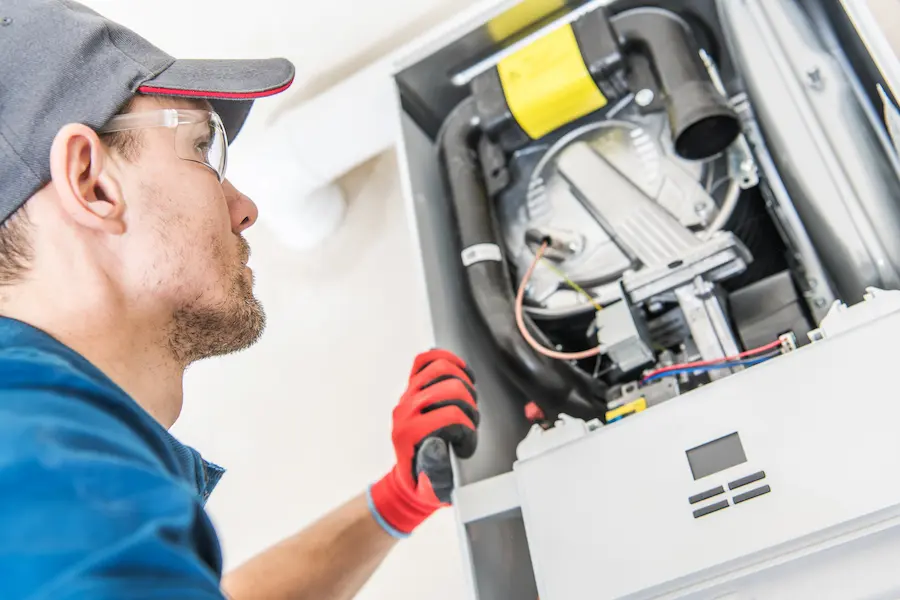
Tankless water heaters have replaceable parts. If something breaks, you can often fix just that part instead of replacing the whole unit. However, these repairs might require a specialist and cost more per visit.
Making the Right Choice for Your Home
So which water heater is right for you? Let’s help you decide based on your specific situation.
Family Size and Hot Water Needs
For small households (1-2 people), either option works well. A small tank heater (30-40 gallons) or a small tankless unit will meet your needs.
For medium households (3-4 people), you’ll need a larger tank (50+ gallons) or a medium-sized tankless heater. If you often use hot water in multiple places at once, a tank might work better.
For large households (5+ people), you might need a very large tank or multiple tankless heaters. Some families install one tankless heater for each bathroom plus one for the kitchen.
Your Home’s Limitations
Consider your home’s setup:
- Limited space? Tankless is better.
- Old electrical system? A tank might be easier.
- No natural gas available? Electric tankless heaters work well but need strong electrical service.
- Vacation home? Tankless saves energy when you’re away.
Budget Considerations
If your budget is tight right now, a tank water heater makes sense. The lower upfront cost is easier to handle.
If you can invest more now to save later, a tankless heater is worth considering. Think of it as paying now to save over the next 20 years.
Some utility companies offer rebates for high-efficiency water heaters. Check with your local providers to see if you can get money back for choosing a tankless model.
Tank vs Tankless Water Heater: The Final Verdict
There’s no one-size-fits-all answer in the tank vs tankless water heater debate. The best choice depends on your specific needs.
Choose a tank water heater if:
- You have a limited budget right now
- Your home would need expensive upgrades for tankless
- You need lots of hot water at once
- You plan to move within 5 years
Choose a tankless water heater if:
- You want lower energy bills
- You need endless hot water
- You have limited space
- You plan to stay in your home 10+ years
- Environmental impact matters to you
Remember that either choice can work well with proper sizing and installation. The most important thing is getting a quality unit that’s the right size for your needs.
Frequently Asked Questions
How much can I save with a tankless water heater?
Most families save $100-$200 per year on energy bills with a tankless water heater. Over 20 years, that’s $2,000-$4,000 in savings. Your actual savings depend on your hot water usage, local energy costs, and the efficiency of your current tank heater.
Will a tankless water heater work during a power outage?
Most tankless water heaters need electricity to run, even gas-powered models. During a power outage, they won’t work. Some premium models have battery backups. Traditional tank heaters can provide some hot water during outages until the tank cools down.
Can I install a water heater myself?
Tank water heater installation is sometimes a DIY project for experienced homeowners, but it involves plumbing, gas or electrical work, and safety considerations. Tankless installation is more complex and usually requires professional installation. Improper installation can be dangerous and may void warranties.
How long does it take to get hot water with a tankless heater?
It takes 15-30 seconds for water to heat up and reach your faucet with a tankless heater. This is about the same time it takes with a tank heater. The distance between your water heater and faucet affects this time more than the heater type.
Do tankless water heaters need special maintenance?
Yes, tankless water heaters need yearly flushing to remove mineral buildup, especially in areas with hard water. This maintenance is essential for keeping them working efficiently. Some owners install water softeners to reduce maintenance needs.
Can a tankless water heater fill a bathtub?
Yes, a properly sized tankless water heater can fill a bathtub with hot water. Unlike tank heaters, tankless models won’t run out of hot water halfway through. However, you need to make sure your tankless heater has enough capacity (measured in gallons per minute) to handle a bathtub’s needs.
Are tankless water heaters worth the extra cost?
For most homeowners who plan to stay in their homes for 7+ years, tankless water heaters are worth the investment. They save money over time, provide endless hot water, take up less space, and last longer. The longer you own your home, the more financial sense a tankless heater makes.
Ready to upgrade your water heater?
Contact Shipton’s Heating and Cooling today for expert advice or to schedule an appointment. We’ll help you choose the perfect water heater for your home’s needs and budget. Don’t wait until your old water heater fails—call us now to schedule an appointment and enjoy reliable hot water for years to come!