

Table of Contents
When your humidifier is not working properly, it can leave your home with dry air that causes scratchy throats, dry skin, and static electricity. The good news is that most humidifier problems have simple solutions. Common reasons include mineral buildup, dirty filters, incorrect settings, or water issues. In this guide, we’ll walk through easy fixes for when your humidifier stops working right, so you can breathe easier and feel more comfortable at home.
Common Problems With Humidifiers
Humidifiers can stop working properly for several reasons. Understanding these common issues will help you fix problems faster and keep your home comfortable.
No Mist or Steam Production
One of the most obvious signs your humidifier is not working properly is when it stops producing mist or steam. This could happen because the water tank is empty or not properly seated. Sometimes the unit isn’t turned on or plugged in correctly. The humidistat might be set too low, or the heating element could be broken in steam models.
White Dust Appearing
If you notice white dust on furniture near your humidifier, this means minerals from tap water are being released into the air. This happens most often with ultrasonic humidifiers. The minerals in hard water build up inside the machine and then get pushed out as tiny particles. These particles aren’t usually harmful, but they can be annoying to clean up.
Strange Noises
Gurgling, bubbling, or clicking sounds that weren’t there before could mean something is wrong. These noises often happen when air is trying to move through clogged parts. A humidifier might also make unusual sounds when the fan is dirty or when mechanical parts are wearing out. Sometimes, the water tank might not be sitting right, causing water to flow unevenly.
Unpleasant Odors
Bad smells coming from your humidifier usually mean bacteria or mold is growing inside. This happens when water sits in the tank too long or when the unit isn’t cleaned regularly. These smells aren’t just unpleasant – they can also mean the humidifier is blowing unhealthy particles into your air instead of just clean moisture.
Leaking Water
Finding puddles around your humidifier is a clear sign something is wrong. Leaks can happen when the water tank cracks or when seals and gaskets wear out. Sometimes the unit might be overfilled or sitting on an uneven surface. Water can also leak if the unit is set too high for the room size, causing condensation to form.
Step-by-Step Troubleshooting Guide
When your humidifier is not working properly, follow these steps to identify and fix the problem.
Check Power and Water Supply
First, make sure your humidifier is plugged in correctly and the outlet works. Try plugging in another device to test the outlet. Next, check if the water tank has enough water. Most humidifiers shut off automatically when water levels get too low. Make sure the water tank is properly seated on the base. Sometimes, a small misalignment can prevent water from flowing correctly.
Clean Mineral Deposits
Mineral buildup is one of the most common reasons a humidifier stops working properly. To clean mineral deposits:
- Unplug the humidifier and empty any remaining water
- Fill the tank with a mixture of white vinegar and water (1:1 ratio)
- Let it sit for 30 minutes to dissolve minerals
- Use a soft brush to gently scrub away stubborn deposits
- Rinse thoroughly with clean water
For ultrasonic humidifiers, pay special attention to the metal diaphragm or disc that vibrates to create mist. Even a small amount of buildup here can stop mist production completely.
Replace or Clean Filters
Dirty filters can block airflow and reduce your humidifier’s effectiveness. If your model has a filter:
- Remove the filter according to manufacturer instructions
- Check if it needs replacement (most filters should be changed every 1-3 months)
- If it’s washable, rinse it under cool running water
- Let it air dry completely before reinstalling
Never use cleaning products on filters unless specifically recommended by the manufacturer. Chemicals can damage the filter material and potentially release harmful substances into the air.
Check for Blockages
Sometimes, the mist outlet or air intake vents get blocked by dust or debris. Inspect all openings and clean them with a soft cloth or cotton swab. For steam humidifiers, check if the heating element is covered with scale buildup. If your humidifier has a fan, make sure it spins freely and isn’t obstructed by dust or foreign objects.
Reset and Adjust Settings
Many modern humidifiers have built-in sensors and automatic settings that can sometimes get confused. Try turning the unit off completely, unplugging it for a minute, and then restarting it. Check that the humidistat is set correctly – it should typically be between 30-50% for comfort. If your room is already at the humidity level you’ve set, the unit might not run even if it’s working properly.
Preventive Maintenance Tips
Regular maintenance can prevent most problems and keep your humidifier working properly for years.
Daily and Weekly Cleaning Routine
Developing a simple cleaning routine will prevent most humidifier problems:
Daily:
- Empty any standing water and refill with fresh water
- Wipe down visible surfaces with a clean cloth
- Check for any unusual smells or residue
Weekly:
- Disassemble the unit according to manufacturer instructions
- Clean all parts that touch water with white vinegar solution
- Rinse thoroughly and allow to air dry
- Wipe external surfaces with a damp cloth
This simple routine prevents most bacteria and mold growth that can cause your humidifier to smell bad or release unhealthy particles.
Using the Right Water
The type of water you use makes a big difference in how well your humidifier works. Distilled water is best for most humidifiers because it contains very few minerals. This means less buildup inside your machine and less white dust in your home. If you can’t use distilled water, consider using filtered water instead of straight tap water, especially if you live in an area with hard water.
Proper Storage Techniques
If you only use your humidifier seasonally, proper storage will prevent problems when you take it out again:
- Clean all parts thoroughly and descale with vinegar solution
- Dry everything completely (moisture leads to mold growth)
- Replace any filters with fresh ones before storing
- Store in a dry place away from dust
- Keep the original box if possible for better protection
When you’re ready to use it again, clean it once more before filling with fresh water.
Seasonal Maintenance Schedule
Different seasons require different approaches to humidifier maintenance:
Fall (Before Use): Deep clean all components, replace filters, and test functionality before the dry winter season begins.
Winter (During Heavy Use): Clean more frequently (at least weekly) and monitor for mineral buildup.
Spring (End of Season): Perform thorough cleaning, dry completely, and prepare for storage.
Summer (Storage Period): Check occasionally for mold or dust, and store in a cool, dry place.
When to Replace Your Humidifier
Even with good maintenance, humidifiers don’t last forever. Here’s how to know when it’s time for a new one.
Signs of Permanent Damage
Some problems can’t be fixed with cleaning or simple repairs:
- Cracked water tank or base that causes leaking
- Heating element that no longer works (in steam humidifiers)
- Motor or fan that makes grinding noises
- Electronic controls that malfunction consistently
- Persistent mold problems that return despite thorough cleaning
If you notice these issues, it’s usually more cost-effective to replace the unit than to attempt repairs.
Typical Lifespan of Different Humidifier Types
Different types of humidifiers have different expected lifespans:
- Ultrasonic humidifiers: 3-5 years with proper maintenance
- Evaporative humidifiers: 3-5 years, though filter replacements can extend life
- Steam/warm mist humidifiers: 2-3 years (heating elements wear out faster)
- Console humidifiers: 5-8 years for quality models
- Central humidifiers: 10-15 years when professionally maintained
These are general guidelines – with excellent care, some units last longer, while neglected ones fail sooner.
Cost-Benefit Analysis of Repair vs. Replacement
When deciding whether to repair or replace a humidifier that’s not working properly, consider:
- Age of the unit compared to expected lifespan
- Cost of replacement parts (often 50% or more of a new unit’s price)
- Energy efficiency improvements in newer models
- New features that might benefit your home
As a general rule, if repairs would cost more than 50% of a new unit’s price, or if the humidifier is already past its expected lifespan, replacement is usually the better choice.
Choosing the Right Humidifier
If you need to replace your humidifier, choosing the right type will help prevent future problems.
Types of Humidifiers and Their Benefits
Each type of humidifier has advantages and potential drawbacks:
- Ultrasonic Humidifiers: These use high-frequency vibrations to create a fine mist. They’re very quiet and energy-efficient but can produce white dust if used with hard water.
- Evaporative Humidifiers: These blow air through a wet wick or filter. They’re self-regulating (they slow down as humidity rises) and don’t create white dust, but they require regular filter replacements.
- Steam/Warm Mist Humidifiers: These boil water to create steam. They can help a room feel warmer and kill bacteria in the water, but they use more electricity and can be a burn hazard around children.
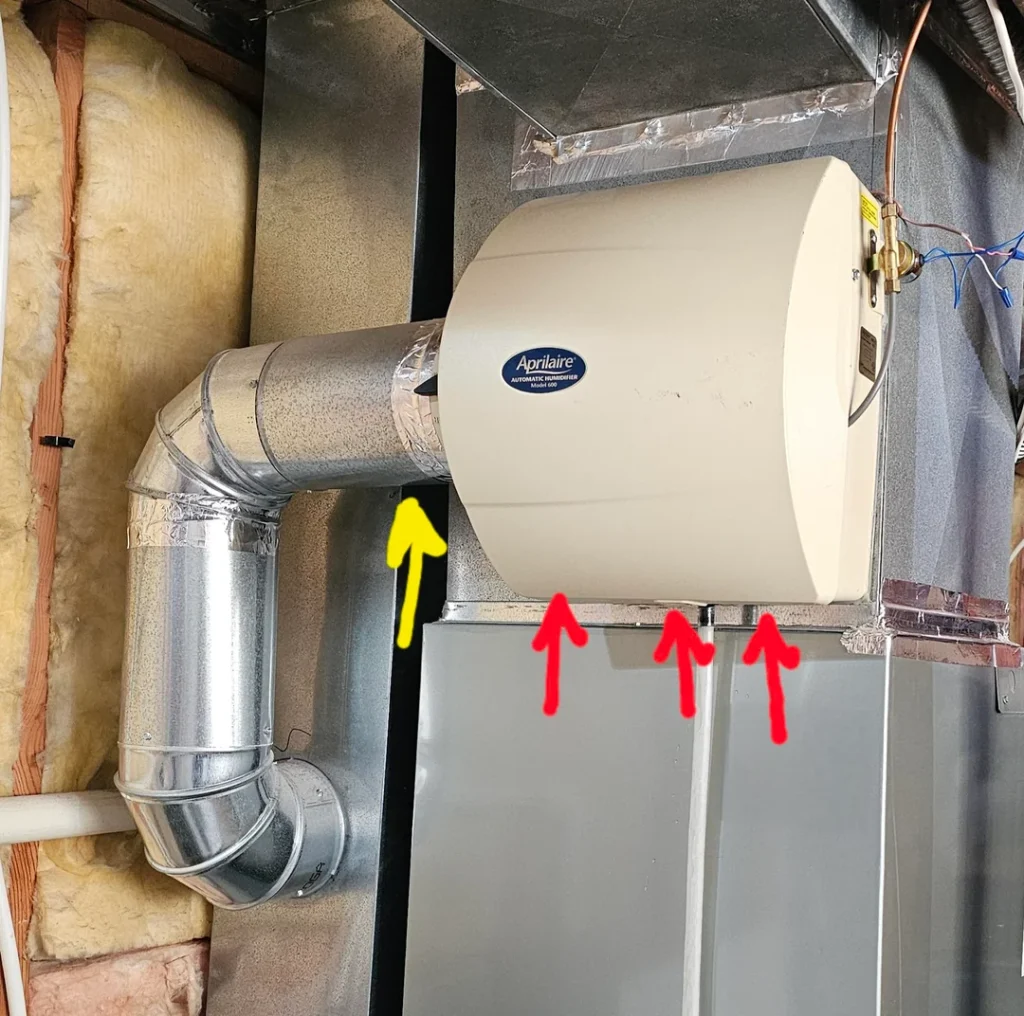
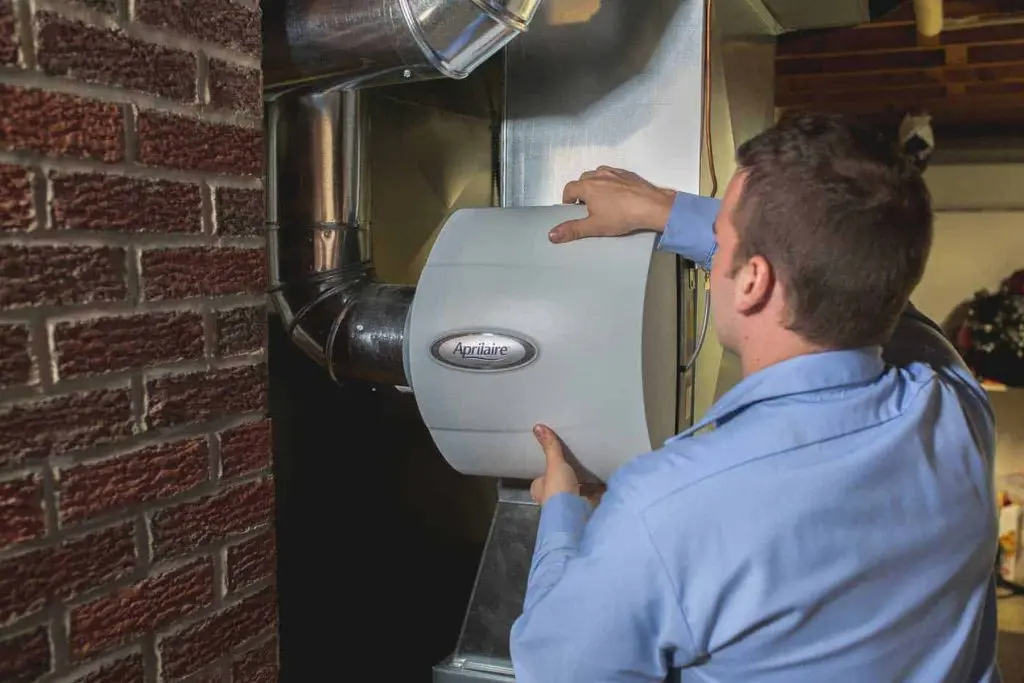
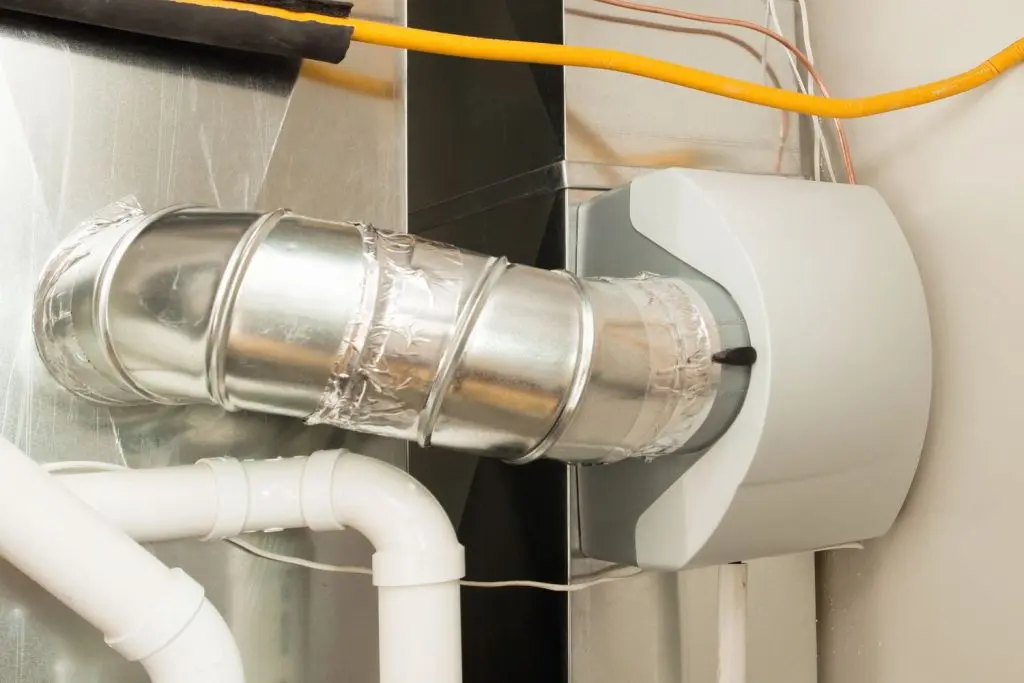
- Whole-House Humidifiers: These connect to your HVAC system. They require professional installation but provide consistent humidity throughout your entire home with minimal maintenance.
Sizing for Your Space
Using a humidifier that’s the wrong size for your room is a common reason why humidifiers don’t work properly:
- Small humidifiers (1-2 gallon tanks): Best for bedrooms and spaces up to 300 square feet
- Medium humidifiers (3-4 gallon tanks): Good for larger bedrooms or living rooms up to 600 square feet
- Large console humidifiers: Suitable for multiple rooms or open floor plans up to 1,000 square feet
- Whole-house systems: Designed for homes up to 3,000+ square feet
Using a unit that’s too small will run constantly and still not reach desired humidity levels. One that’s too large might create excess moisture and condensation problems.
Features Worth Considering
Modern humidifiers offer features that can prevent common problems:
- Built-in hygrometers: Measure actual humidity levels and adjust output automatically
- Antimicrobial treatments: Help prevent mold and bacteria growth
- Auto shut-off: Turns the unit off when water is depleted
- Timer functions: Allow you to run the humidifier only when needed
- Filter indicators: Remind you when maintenance is needed
- Easy-clean designs: Make regular maintenance simpler
These features might cost more upfront but can save money and frustration by preventing the problems that cause humidifiers to stop working properly.
Frequently Asked Questions
Why is my humidifier running but not producing mist?
This usually happens because of mineral buildup on the ultrasonic disc or heating element. Clean your humidifier with vinegar solution. Also check that the water tank is properly seated and that nothing is blocking the mist outlet.
How often should I clean my humidifier?
Empty and refill the water tank daily. Do a thorough cleaning with vinegar once a week. Replace filters according to manufacturer recommendations, typically every 1-3 months.
Can a humidifier make you sick?
A dirty humidifier can spread bacteria, mold, and minerals through the air. This might cause respiratory problems or allergic reactions. Regular cleaning prevents these issues.
Why does my humidifier leak water?
Leaking usually happens because of cracks in the tank, worn gaskets, or an uneven surface. Check for damage and make sure your humidifier sits on a level, waterproof surface.
What humidity level should I set?
The EPA recommends keeping indoor humidity between 30-50%. Higher levels can promote mold growth, while lower levels cause dry skin and respiratory discomfort.
Is it normal for humidifiers to make noise?
Some noise is normal, especially from evaporative models with fans. However, loud gurgling, rattling, or grinding sounds indicate problems that need attention.
Why does my humidifier smell bad?
Bad smells usually mean bacteria or mold is growing inside. Empty old water, clean thoroughly with vinegar, and let all parts dry completely before refilling.
Can I use essential oils in my humidifier?
Only use essential oils in humidifiers specifically designed for them. Adding oils to standard humidifiers can damage plastic components and void warranties.
Why is there white dust around my humidifier?
White dust comes from minerals in tap water. Switch to distilled water or install a demineralization cartridge if your model offers this option.
How do I know if my humidifier is working properly?
A properly working humidifier produces visible mist (for cool mist types), maintains set humidity levels, operates quietly, and doesn’t leak. You should notice improved comfort with less static electricity and dry skin.
When your humidifier is not working properly, simple maintenance and troubleshooting can often solve the problem. Regular cleaning, using the right water, and understanding your specific model’s needs will keep your home comfortable and your air healthy. If you’ve tried these solutions and still have issues, it might be time to consult with an HVAC professional or consider a replacement unit.
Ready to breathe easier with a properly functioning humidifier?
Contact our team of indoor air quality experts today to schedule a consultation. We can help diagnose persistent humidifier problems, recommend the right solutions for your home, and ensure your family enjoys healthy, comfortable air all year round. Call Shipton’s Heating and Cooling now!